How to Start a Baby Gear Rental Business for Traveling Families
Traveling with a baby or toddler means hauling a lot of gear — or renting it when you arrive. Families visiting grandparents, staying in vacation rentals or flying in for a wedding often need a crib, a stroller, a high chair or a car seat for just a few days. A baby gear rental business meets that need from a garage or spare room, and it pairs well with an area that gets a lot of visitors.
It’s also a rental category where safety rules matter more than usual. Here’s what to know before you buy inventory.
How the business works
You buy a stock of clean, well-maintained baby equipment, then rent it by the day or week and deliver it to homes, hotels or vacation rentals. You pick it up afterward, inspect it, clean it and get it ready for the next family.
Some providers work independently, building their own website and booking system. Others join a marketplace. BabyQuip, for example, describes itself as a platform connecting families with independent local providers who rent, deliver and set up gear at hotels, vacation rentals and homes, and it says it operates in more than 5,000 markets. It also says providers complete safety training, learn its cleaning process and are taught to monitor recalls and inspect each item between rentals. If you go that route, read the provider agreement closely for fees, insurance details and requirements.
What to stock first
Start small with the items visiting families most often ask for, then add more based on real requests:
- Full-size cribs or play yards
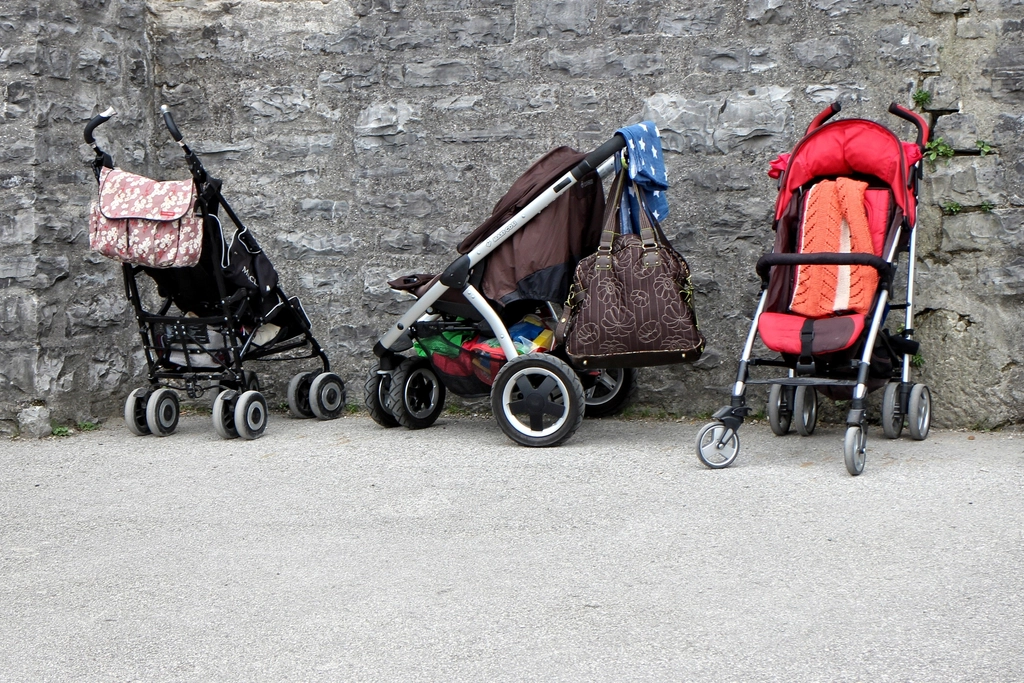
- Strollers (a lightweight umbrella stroller and a full-size option)
- High chairs or booster seats
- Car seats
- Safety gates, baby monitors, bouncers and toy bundles as add-ons
Buying fewer, better items and keeping them in excellent condition is usually smarter than buying a lot of everything up front.
Cribs: federal standards apply
Cribs are the item to be most careful with. Under the Consumer Product Safety Improvement Act, the CPSC’s full-size and non-full-size crib rules cover anyone in the business of selling, reselling or leasing cribs or otherwise providing them for use, and they apply to used cribs as well as new ones, regardless of when the crib was made. In practice, that means you should only rent cribs that meet the current federal standards, keep proof of compliance (such as the label and paperwork) and never use an older crib just because it looks fine.
Rules around play yards, bassinets and other sleep products can differ, so check the CPSC’s guidance for each product type you stock.
Car seats: extra caution
NHTSA’s used car seat checklist says a seat should only be used if it has never been in a moderate or severe crash, has labels showing its date of manufacture and model number, has no recalls, has all of its parts and comes with its instruction book. As a rental business, you can’t always know what happened to a seat while it was out with a customer, so think carefully about your policy. A cautious policy is to retire any seat that comes back with questions about its history, and to track each seat’s date of manufacture and model number so you can check recalls quickly. Car seat installation is also a safety issue — be clear in your agreement about who installs the seat.
Recalls, cleaning and inspection
- Sign up for recall alerts from the CPSC and check car seats for recalls through NHTSA. Check every item when you buy it and again on a regular schedule.
- Inspect each item after every rental for missing parts, cracks, frayed straps and wobbly hardware.
- Clean and sanitize according to each manufacturer’s instructions, and keep a simple log of when each item was cleaned and inspected.
- Pull anything damaged or recalled from service immediately.
Pricing, delivery and paperwork
Price each item by the day with a lower weekly rate, then add a delivery and pickup fee based on distance. Look at what other baby gear rental providers in your area charge before setting your rates.
Use a written rental agreement that covers the rental period, the condition of the gear, damage and loss, and the customer’s responsibility for supervision and correct use. Talk to an insurance agent about general liability coverage that fits a rental business and ask whether your homeowner’s policy covers any business activity at all. Licensing, sales tax and liability rules vary by state and city, so check locally or with a professional before you open.
More on Garage Business Blueprint
- Damage Deposits and Rental Agreements for a Small Equipment Rental Business
- How to Start a Camping Gear Rental Business From Your Garage
- How to Start a Tool and Equipment Rental Business From Your Garage