How to Start a Party Rental Business From Your Garage
Folding tables, chairs and a canopy tent are bulky, but they fit in a garage, which makes party rentals one of the more approachable home-based businesses. Here is what to plan for. Every figure below is an estimate from the sources listed at the end, as of October 2026, and not a promise of results.
Starter inventory and costs
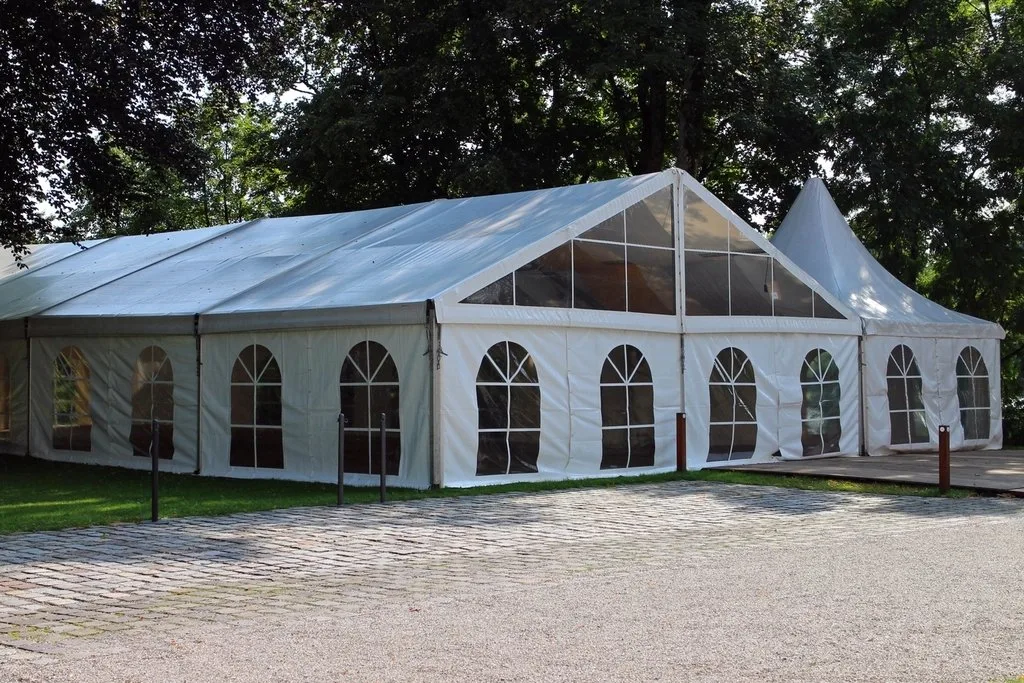
Start small. One how-to guide describes a “party in a box” of 3 six-foot tables, 18 folding chairs and a 10×20-foot pop-up tent for roughly $525 at retail (Booqable). Another source puts a lean setup of tables, chairs and maybe a tent or two at $5,000 to $10,000 (Twice). Individual items vary widely:
- 60-inch round table: $50 to $100; folding chair: $15 to $25; polyester linen: $10 to $20 per piece (JIM).
- Inflatables: about $1,500 to $5,000 per unit, plus a blower for each one (Reservety).
Garage storage and cleaning
One source suggests 200 to 500 square feet of storage when starting at home, and inspecting returned items within 24 hours (Reservety). Group and label gear by package, and keep it on shelves or in covered bins so loading is quick (Twice). Linens need washing and pressing after every event, and that cost adds up. The same source estimates cleaning inflatables at about 30 minutes per unit between rentals.
Transport
A small starter package can fit in a mid-size SUV or minivan with the seats folded down, so you may not need a truck at first. Chairs and tables are heavy and awkward, so lift with your legs, use a hand truck and get help with tent frames. If you deliver, ask your insurer about commercial auto coverage.
Pricing and deposits
Many owners price each item so it pays for itself within four to six rentals, and one example has a $100 table renting for $15 to $25 (JIM). The same source suggests collecting 50 percent upfront to reserve items. Another example charges about $150 per weekend for a full package, plus $50 each for drop-off and pickup (Booqable). Basic bounce houses are listed at $150 to $300 per day (Reservety). Check what competitors in your area charge before setting your own rates.
Rental agreements and insurance
A rental agreement typically covers the rental period, an itemized equipment list, payment terms, delivery and pickup, responsibility for damage, cancellations, a liability waiver and the customer’s signature (Twice). Have a local attorney review yours, since rules vary by state. Plan on general liability insurance; one source cites at least $1 million in coverage, with premiums of $500 to $2,000 per year (JIM).
Inflatables are different. Some states treat bounce houses as amusement rides. Texas requires inspections and liability insurance for them (Texas A&M University System), and Maryland requires an inspection certificate and insurance for each ride (WMAR). Check your own state’s rules before buying one.
Finding customers and seasonality
Claim a free Google Business Profile, post photos of your setups, and build referral relationships with event planners, caterers and venues (Twice). Reviews matter, so ask happy customers. The sources mention slow seasons but name no peak months, so expect demand to follow your local climate and event calendar, and plan cash flow accordingly.
Also check local zoning, home-occupation rules and licensing before you take your first booking.