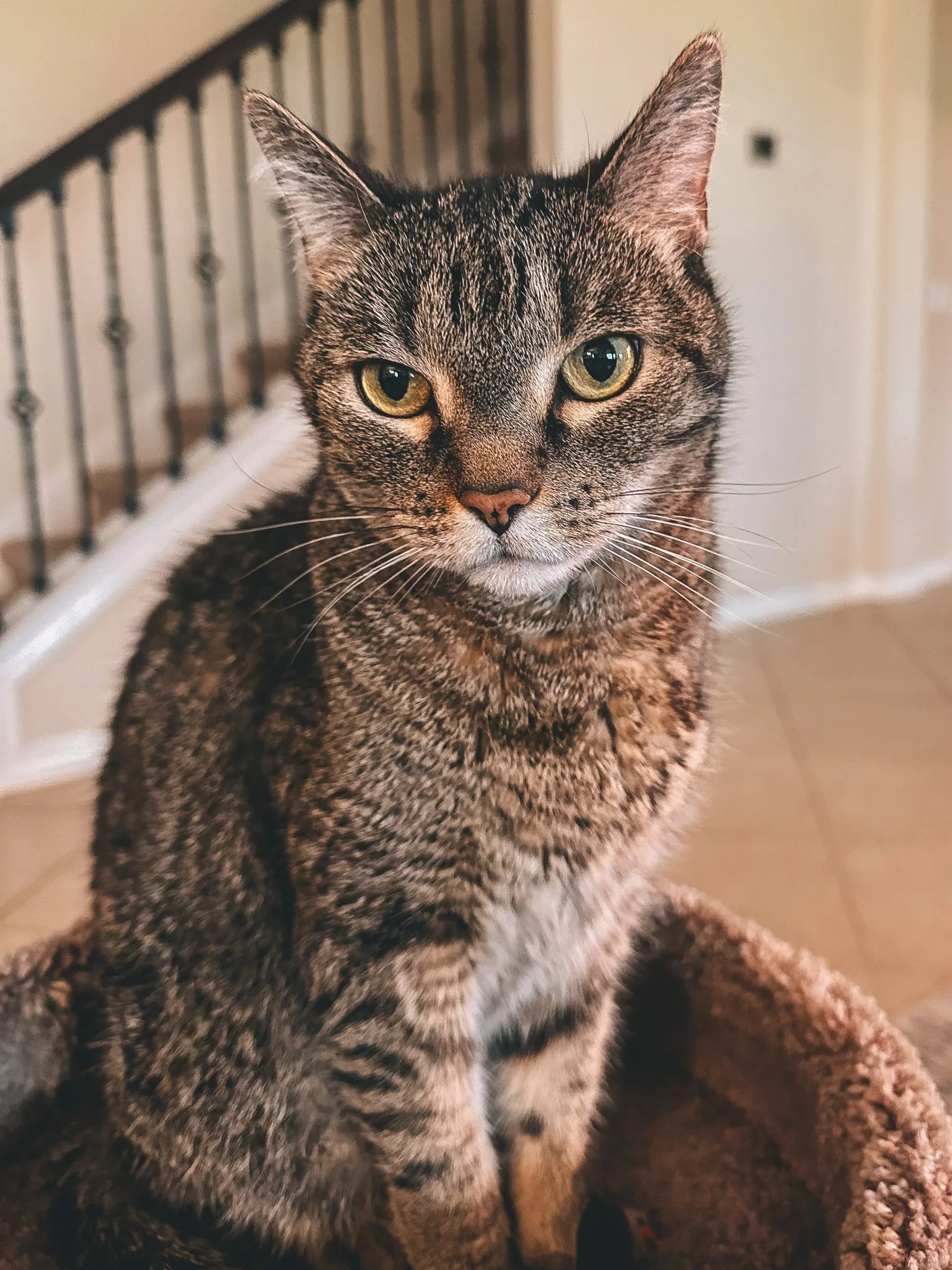
Building and Selling Cat Trees and Cat Furniture From Your Garage
Most cat trees on the market look alike: particleboard, beige carpet and a post that starts to wobble after a few months. That gap is an opening for a garage maker who can build something sturdier, better looking or sized to fit a specific room.
Cat furniture also suits a small shop. The core materials are plywood, lumber, sisal rope and fabric, and the main tools are ones many woodworkers already own. Here’s how to approach it safely and price it sensibly.
Who buys cat furniture
Your core buyers are owners of indoor cats. The American Association of Feline Practitioners lists “safe territory with vertical space” among the essential resources for indoor-only cats in its 2024 indoor/outdoor lifestyle position statement, alongside resting places, play and scratching outlets.
Within that group, a few segments stand out:
- Apartment and small-home owners who want climbing space without a bulky floor tower
- Design-minded buyers who want furniture that matches their decor
- Owners of large or multiple cats who have worn out lightweight store-bought trees
- Local rescues, cat cafes and boarding businesses that need durable pieces
Product ideas to start with
- Scratching posts. The simplest build and a good test product. The AAFP’s scratching guidance for caregivers says a post should be taller than the cat’s body length so it can fully stretch, and many cats prefer sisal rope.
- Wall shelves and steps. Lightweight, ship well and sell as sets that buyers can add to over time.
- Cat trees and towers. Higher price, but bulky to ship and the most demanding on stability.
- Window perches and wall beds. Small add-on items that round out a shop.
Materials and sourcing
Plywood is the backbone for platforms, bases and shelves. CatsPlay’s wall shelf guide suggests shelves at least ¾ inch thick so screws hold firmly. Solid lumber or log sections work well for posts.
For scratching surfaces, look for natural sisal rope with no oil treatment. As of October 2026, Home Depot lists a 3/8-inch, 100-foot twisted sisal rope at $16.68 and describes it as oil and chemical free. Wrapping a single post can use a lot of rope, so price it per foot and buy in bulk once you have steady orders.
Carpet offcuts, felt and upholstery fabric cover platforms and beds. Cats Protection’s DIY scratching post guide suggests running carpet threads vertically so the cat scratches downward along them.
Safety and stability come first
A tree that tips over can hurt a cat and damage a buyer’s home, so design for stability before style. Catster’s vet-reviewed guide to making a cat tree more stable recommends these practices:
- A heavy, wide base, since taller trees are less stable
- Screws or bolts rather than nails or staples, with pre-drilled holes and wood glue on contact surfaces
- Angle brackets or corner braces at key joints
- Wall brackets for tall trees, placed in a corner or against a wall
- Non-slip pads under the base
For wall shelves, CatsPlay advises mounting main brackets into wall studs rather than relying on drywall anchors, because a jumping cat puts heavy force on a bracket. It suggests 12 to 18 inches of vertical space between surfaces. Include stud-mounting instructions and the right hardware with every set you sell.
Finishes matter too. Cats Protection recommends untreated, unvarnished wood for a homemade post. If you do finish shelves or platforms, choose a product suited to indoor furniture, follow the manufacturer’s full cure time before shipping and keep finishes off any surface a cat will scratch or chew. Product safety rules vary, so check with a professional before making safety claims in listings.
Pricing your cat furniture
Mass-market trees set the price floor buyers know. As of October 2026, Chewy lists a 72-inch Frisco faux fur cat tree made of engineered wood at $96.59, and a 69-inch Frisco tree with solid wood posts at $154.59. Walmart lists a 65-inch solid wood New Cat Condos tree described as handcrafted in the USA at about $170.
Handmade wall systems on Etsy, many shipped from Ukraine, span a wide range. As of October 2026, one birch plywood shelf listing runs from $49.49 for three steps up to $417.98 for larger sets, another step and shelf set runs $60 to $356, and a wall bed and steps set runs $88.80 to $216.30 on sale.
Rather than undercut factory trees, compete on solid wood, real sisal, stability and custom sizing. Add up materials, hardware, your hours at a fair rate, packaging and selling fees, then check the result against these comparisons.
Where to sell
- Etsy and your own website for shelves, posts and perches that ship easily
- Local pickup through Facebook Marketplace or community groups for large trees
- Craft fairs and pet expos, where buyers can test the sturdiness themselves
- Partnerships with groomers, vets, rescues and cat cafes for displays or referrals
Shipping is the hard part for tall towers. Consider modular designs that bolt together, and test how they arrive by shipping one to yourself or a friend.
Workshop safety
Expect plenty of table saw and drill work. OSHA’s woodworking guidance on table saws recommends keeping blade guards in place, using push sticks for small pieces, keeping hands out of the line of the cut and standing to the side of the blade to avoid kickback. Wear eye and hearing protection, control sawdust and ventilate well when applying any finish.
More on Garage Business Blueprint
- Making and Selling Handmade Pet Beds From Your Garage
- How to Price Handmade Products: A Simple Formula for Garage Makers
- Etsy Fees in 2026: What a Garage Seller Actually Pays per Sale
Sources
- Catster: How to Make a Cat Tree More Stable
- American Association of Feline Practitioners: Caregiver guide to scratching (flyer)
- American Association of Feline Practitioners: 2024 Indoor/Outdoor Lifestyle Position Statement
- Cats Protection: How to make a scratching post
- CatsPlay: Cat Wall Shelves: How to Plan, Choose and Install a Full System
- Home Depot: T.W. Evans Cordage 3/8 in. x 100 ft. Twisted Sisal Rope
- Chewy: Frisco 72-in Faux Fur Cat Tree and Condo
- Chewy: Frisco 69-in Real Carpet Solid Wood Cat Tree
- Walmart: New Cat Condos 64-in Cat Tree and Condo Scratching Post Tower
- Etsy: Wall shelves for cat, wood cat hexagon listing
- Etsy: YuccaCraft wall-mounted cat steps, shelves and bed set
- Etsy: FaynoPet handcrafted wood cat wall bed and steps
- OSHA Woodworking eTool: Table Saws