Building and Selling Birdhouses From Your Garage: What Birds and Buyers Want
Birdhouses are one of those garage products almost everyone understands at a glance. Backyard bird lovers, gardeners and gift shoppers all buy them, and a simple nest box uses inexpensive lumber and basic woodworking tools. The catch is that a good birdhouse is not just a cute little building. Birds have real needs, and buyers who care about birds increasingly know the difference.
Who buys birdhouses
- Backyard bird watchers who want a specific species, such as bluebirds or chickadees, to nest nearby.
- Gardeners and homeowners who like a functional piece of yard decor.
- Gift buyers looking for something handmade for a parent, grandparent or new homeowner.
- Garden clubs, nature centers and community groups that put up boxes along trails.
Build what birds actually use
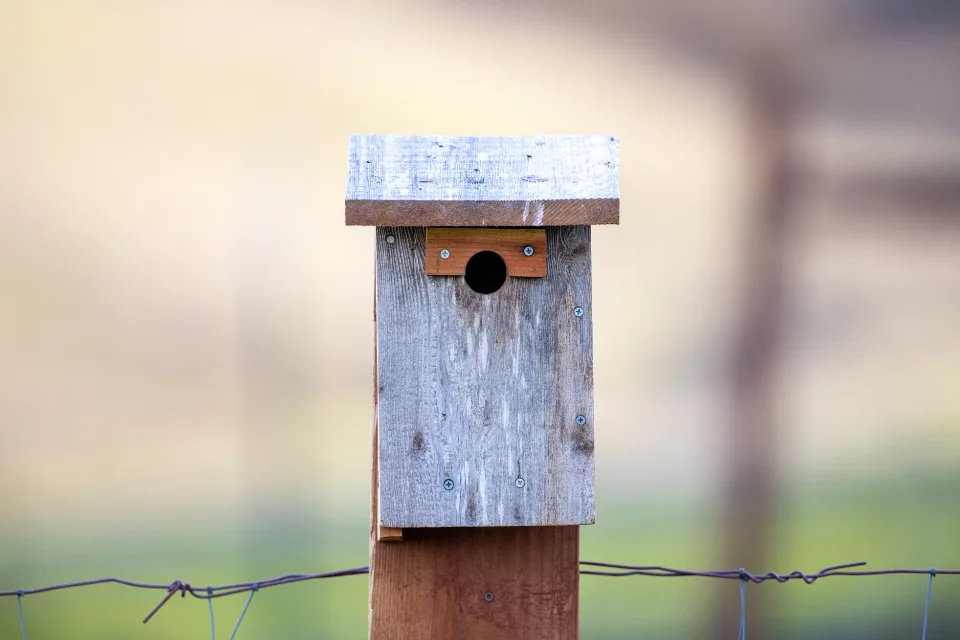
The Cornell Lab of Ornithology’s NestWatch program lists the features of a well-made nest box, and they make a useful product spec sheet for a small shop:
- Untreated, unpainted wood such as cedar, pine or cypress, with walls at least 3/4 inch thick for insulation. Skip pressure-treated lumber.
- Galvanized screws rather than nails or staples, so the box stays tight over the years.
- Ventilation holes near the top of the side walls and drainage holes (or clipped corners) in a recessed floor.
- A sloped roof that overhangs the front by a few inches to keep out rain and make it harder for predators to reach in.
- No perch. Birds don’t need one, and it can give predators a foothold.
- A side or front panel that opens with a secure latch, so the owner can clean and monitor the box.
Entrance size matters most, because it decides which birds can get in. As one example, an Oklahoma State University Extension fact sheet calls for a 1 1/2-inch hole for Eastern Bluebird boxes, placed roughly two-thirds of the way up the front, with the box mounted 4 to 6 feet high on a pole. Building species-specific boxes, and labeling them clearly, is an easy way to stand out from generic decorative houses.
Product ideas beyond the basic box
- Species-specific nest boxes with a printed card covering placement and mounting height.
- Bundles that pair a box with a pole-mount bracket or predator baffle.
- Decorative “display” birdhouses sold honestly as yard art rather than nest boxes.
- Flat-pack kits families can assemble together.
If you sell decorative houses with paint or tiny entry holes, say they are for decoration. Buyers trust sellers who are upfront about what a product is for.
Pricing and where to sell
Work out your price from materials, your time and selling fees rather than copying the cheapest listing you can find. Spring is the natural selling season for nest boxes, while decorative houses do well as holiday gifts. Good outlets include craft fairs, farmers markets, local garden centers that carry handmade goods, and online marketplaces such as Etsy.
Workshop safety
Even a simple box involves saws and drills, so wear eye and hearing protection, keep guards in place, and use dust collection or a well-fitting dust mask when cutting cedar and other woods. Fine dust builds up quickly in a closed garage, so clean up as you go.
More on Garage Business Blueprint
- Building and Selling Raised Garden Beds: A Garage Business Idea
- How to Price Handmade Products: A Simple Formula for Garage Makers
- Getting Your Garage Business Ready for Holiday Craft Fairs