Selling Vegetable and Flower Seedlings From Your Garage: Licensing, Timing and Pricing
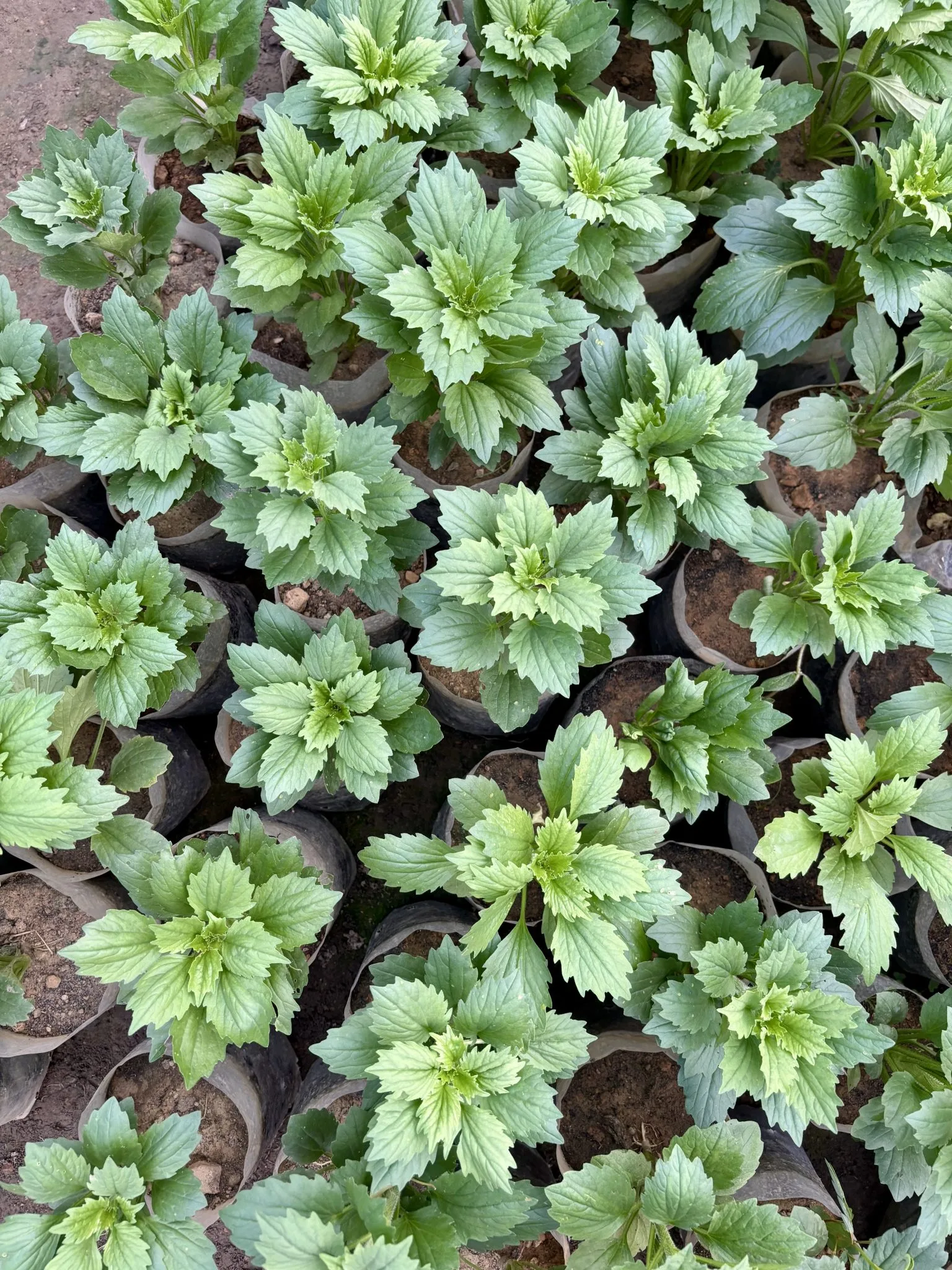
Every spring, gardeners go looking for healthy tomato, pepper and flower starts. If you have a garage corner, a few shelves and some grow lights, you can raise seedlings for a short, busy selling season.
First, though, check whether your state treats you as a plant dealer.
Check your state’s plant dealer rules first
Most states regulate the sale of live plants through the agriculture department, but the details differ a lot. A few examples, as of October 2026:
- New Hampshire requires anyone selling rooted plants to hold a Plant Dealer License at $25 per year per location. Vegetable plant sellers at farmers markets still need the license but may qualify for a fee exemption.
- Wisconsin’s nursery license brochure says annuals, fruits, vegetables, most herbs and cut flowers can be sold without a license. Perennial nursery stock needs one once sales pass $250 a year, and licensed stock is inspected every one to three years.
- New Mexico says all plant businesses must be licensed. It offers a $25 Special Vegetable Plant Inspection Certificate for people selling only vegetable plants they grew themselves.
Rules vary by state, and your city or county may add home business or sales tax requirements. Contact your state agriculture department before you sell.
A simple seed-starting setup
Cornell Cooperative Extension’s indoor seed starting fact sheet recommends a sterile soilless mix, containers about 3 inches deep with drainage holes, and lights kept 3 to 6 inches above seedlings for 12 to 16 hours a day. It suggests germinating most crops at 75°F to 90°F soil temperature, which a heat mat can provide.
Utah State University Extension’s seedling care guide notes that soilless mixes usually need added fertilizer, and that heavy feeding produces weak, soft growth.
Timing for spring sales
Work backward from your area’s safe planting date. Cornell suggests sowing tomatoes, peppers and eggplant about 6 weeks before transplanting, and cucumbers, melons and squash about 3 weeks before. Plants are ready to go out 2 to 3 weeks after the average last frost.
Build in time for hardening off. Cornell recommends one to two weeks of gradually moving plants outdoors into more sun and wind, while Utah State suggests starting at least two weeks before transplanting.
Pricing your plant starts
As of October 2026, Home Depot lists a Bonnie Original tomato 2-pack at $14.85, about $7.43 per plant, and Tractor Supply lists Bonnie two-packs of tomato, broccoli and herb plants at $9.99 to $17.99. At the community level, the UC Master Gardeners of Contra Costa County priced every plant at its 2026 tomato sale at $4.
Heirlooms and larger pots can justify prices nearer retail. Count your cost per cell, including mix, pots, labels and electricity.
Where to sell
- A driveway or roadside stand on spring weekends, if local rules allow
- Farmers markets, where your license may need to be shown
- Preorders through social media or an email list, with set pickup times
- Garden clubs, community plant swaps and school fundraisers
More on Garage Business Blueprint
- Do You Need a Business License to Sell From Your Garage? City, County and State Licenses Explained
- Sales Tax Basics for a Garage Business: Seller’s Permits, Marketplaces and Craft Fairs
- Building and Selling Raised Garden Beds: A Garage Business Idea
Sources
- New Hampshire Department of Agriculture, Markets and Food: Nursery and Plant Dealer FAQ
- Wisconsin DATCP: Nursery License brochure
- New Mexico Department of Agriculture: Nursery Licensing
- Cornell Cooperative Extension: Indoor Vegetable Seed Starting fact sheet
- Utah State University Extension: Starting Vegetable Seeds Indoors, Seedling Culture and Transplanting
- UC Master Gardener Program of Contra Costa County: 2026 Great Tomato Plant Sale
- Home Depot: Bonnie Plants Bonnie Original Tomato Plant 2-Pack
- Tractor Supply: Bonnie Plants