How to Start an Upholstery Business From Your Garage
Reupholstery is a skilled service that fits well in a two-car garage. Customers bring you a worn dining chair, armchair or bench; you strip it, repair the frame and padding, and send it home looking new. Good work spreads by word of mouth, and many upholsterers start with dining chair seats before moving on to bigger pieces.
The tools you’ll need
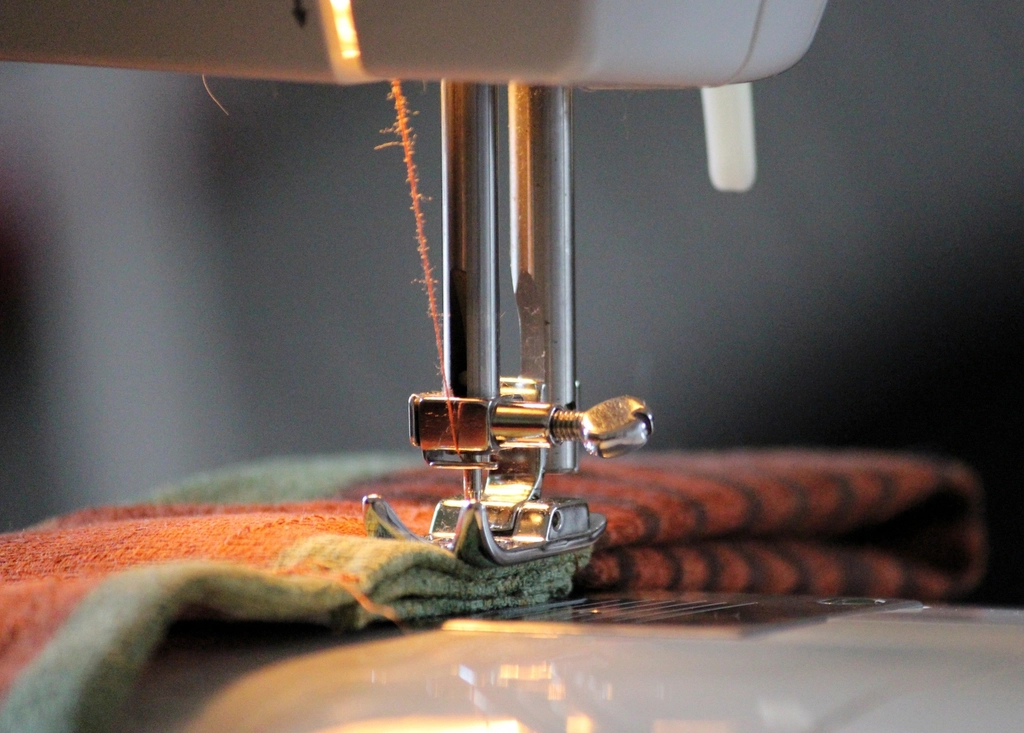
A beginner can start with hand tools: a staple gun, a tack lifter or staple remover, sharp shears, a webbing stretcher and a solid sewing machine. As the work grows, most shops add an industrial walking-foot sewing machine, an air compressor with a pneumatic stapler, and a large, sturdy workbench. One startup guide we read in October 2026 lists these ranges:
- Industrial sewing machine: about $1,500–$5,000
- Hand tools, staple gun and workbench: about $500–$1,500
- Air compressor and pneumatic stapler: about $300–$900
Buying used tools and machines can cut those numbers a lot. Fabric and foam can be bought per job at first, so you don’t need a big inventory.
What customers pay
Bob Vila’s cost guide (updated June 2024) puts typical reupholstery prices at roughly $50–$250 for a dining chair, $800–$1,500 for an armchair and $400–$1,500 for a recliner, with labor commonly $40–$100 an hour. Check what shops near you charge before you set your own prices.
Two pricing habits help a new shop:
- Quote labor and materials separately, and decide in advance how you’ll charge when a customer brings their own fabric.
- Take a deposit before you order fabric. The startup guide we read suggests 50% up front with the balance on pickup.
Learning the craft
Upholstery is learned by doing. Label every piece of old fabric as you remove it and note the order, because it becomes your pattern. Rebuild the foundation first (webbing, springs and padding) since a nice cover over a weak base leads to callbacks. Practice on thrift-store chairs before you take paying work.
Rules, safety and insurance
- A federal flammability standard for upholstered furniture (16 CFR part 1640) covers reupholstered furniture too. The CPSC has an FAQ that addresses whether reupholsterers must comply and what labels are needed; read it before you take customer work.
- You’re holding other people’s furniture, so ask an insurance agent about coverage for customer property and general liability.
- Home-occupation permits and business licenses vary by state, county and city, so check locally.
- Wear eye protection when pulling staples and tacks, keep fingers clear of pneumatic staplers, and use a dust mask when tearing out old padding and foam.
- Get help lifting sofas and heavy frames.
More on Garage Business Blueprint
- Starting a Furniture Flipping Business From Your Garage
- Home Business Insurance: What Your Homeowner’s Policy Won’t Cover and What to Buy Instead
- How to Set Up a Safe, Workable Garage Workspace for Your Business