How to Start a Mobile Auto Detailing Business From Home
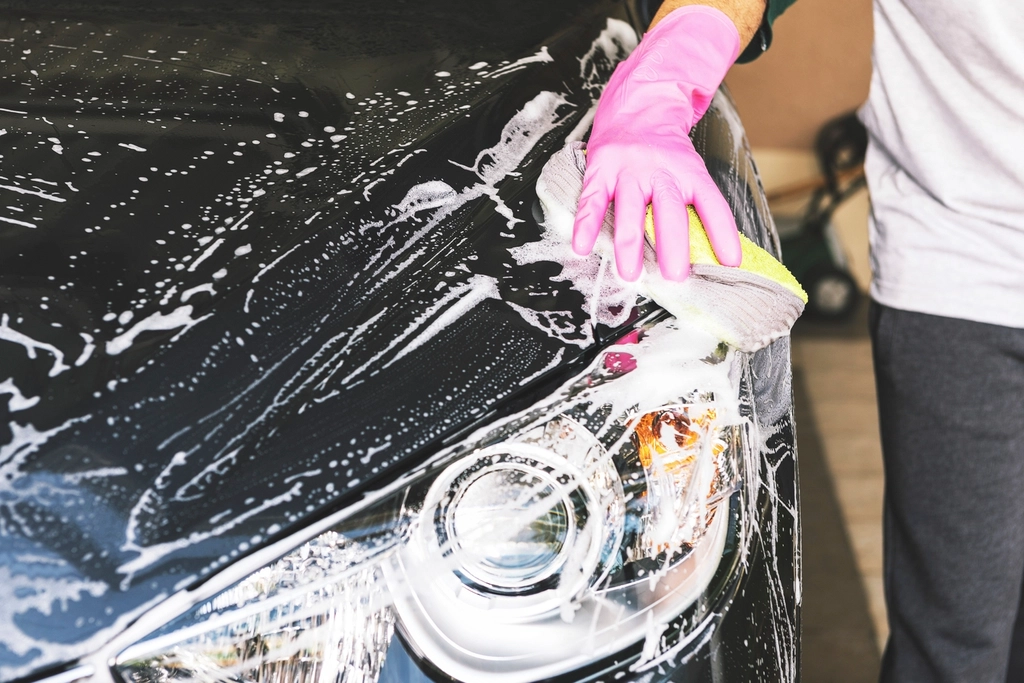
Mobile auto detailing brings the car wash to the customer: you drive to a driveway or office parking lot, clean the vehicle inside and out, and leave it looking cared for. Your garage becomes the base where you store supplies, prep equipment and load the vehicle each morning. It’s a hands-on service business with modest startup costs, but it comes with real rules about wash water and insurance that new detailers often miss.
What it costs to get started
As of August 2026, a startup guide from Jim estimated $1,000 to $2,500 to launch a mobile operation, covering equipment, supplies and the first month of insurance. A fixed-location shop, by comparison, ran $25,000 to $80,000 or more. The same guide suggested keeping $3,000 to $5,000 in cash reserves while the business finds its feet.
Typical equipment ranges from that guide:
- Pressure washer (1,500–2,000 PSI): $300–$700
- Wet/dry shop vacuum: $150–$300
- Dual-action polisher: $150–$400
- Soaps, waxes, microfiber towels and other supplies: $300–$600
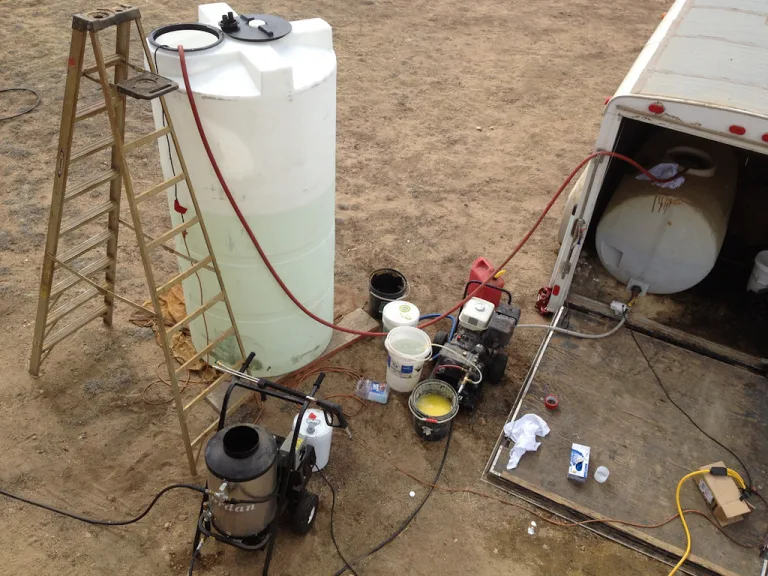
You’ll also need a reliable vehicle with room for gear, plus a way to carry water and capture runoff if your customers can’t provide a hose or drain. Many detailers add a portable water tank, hoses, buckets with grit guards, brushes, interior cleaners and a small generator or power source as they grow.
Wash water: the rule many beginners miss
Soapy water, oil and grime that flow down a driveway usually end up in a storm drain, and storm drains often lead straight to creeks, rivers or the ocean without treatment. Federal Clean Water Act programs regulate pollution from sources like car wash runoff, and many cities set their own rules for mobile detailers.
The City of Santee, California, for example, tells mobile detailers to contain and capture all wash water, use a shop vacuum to collect it, wash within a bermed area, use biodegradable soap or none at all, and keep anything but rain out of storm drains. Your city may have different requirements, including permits or approved disposal methods, so call your local public works or environmental office before you take your first booking. Waterless and rinseless wash products are worth a look for jobs where water capture is difficult.
Licensing and insurance
Requirements vary by state, county and city. The Jim guide describes a common path: choose a business structure (many owners form an LLC), get a free EIN from the IRS, apply for a general business license through your city or county (it cited $50–$150), and register for a seller’s permit if you also sell products.
Insurance matters more than usual because you’re working on someone else’s expensive property. The guide lists:
- General liability, often at $1 million in coverage, for injuries and property damage claims.
- Garagekeepers coverage, which protects customers’ vehicles while they’re in your care; general liability typically doesn’t.
- Commercial auto if you use a work vehicle; a personal auto policy may not cover business use.
- Workers’ compensation once you hire employees, under your state’s rules.
Talk to a local insurance agent about what your situation needs. This is general information, not legal or insurance advice.
Pricing your jobs
Many detailers use three tiers, such as a basic exterior wash, a wash and wax, and a full detail, with add-ons like pet hair removal, engine bay cleaning or headlight restoration. Build each price from your materials, your time (including driving), equipment wear and a margin. Jim’s worked example: a full detail using $30 of materials and four hours of labor at $25 an hour costs $130, so charging $250 leaves a margin of about 48%. Treat that as an illustration of the math, not a typical price; local rates vary widely, so check what established detailers in your area charge.
Finding your first customers
- Set up a free business profile on map and search services so people nearby can find and review you.
- Offer workplace days, where you detail several cars in one office lot with the property manager’s permission.
- Partner with local businesses that serve car owners, such as small repair shops or used car sellers.
- Ask every happy customer for a review and a referral, and keep simple before-and-after photos (with permission).
Workflow and safety
- Use a checklist for each package so every job is consistent, and note any existing damage with photos before you start.
- Mix and store chemicals according to their labels, wear gloves and eye protection, and never mix products that aren’t meant to be combined.
- Keep pressure washer spray away from skin, and be careful with electrical cords around water.
- Lift heavy water tanks and equipment with your legs, or use a dolly, and secure gear so it doesn’t shift while you drive.
Mobile detailing rewards consistency. A short menu of services done well, clean water handling and solid insurance will get you further than a long list of packages.
More on Garage Business Blueprint
- How to Start a Small Engine Repair Business From Home
- Home Business Insurance: What Your Homeowner’s Policy Won’t Cover and What to Buy Instead
- Can You Legally Run a Business From Your Garage? Zoning, Permits and HOA Rules Explained