Making and Selling Dog Collars, Leashes and Cat Collars From Your Garage
Collars, leashes and cat collars are small, light and easy to ship, which makes them a practical niche for a garage maker with a sewing machine and a bit of bench space. You don’t need a big shop. You do need to take safety seriously, because these products hold onto living animals.
Is there a market?
Pet owners are a large group of shoppers. As of 2026, the American Pet Products Association reports 95 million U.S. households own a pet (from its 2025 National Pet Owners Survey), and it puts 2024 spending on supplies, live animals and over-the-counter medicine at about $34.4 billion. That doesn’t mean any one maker will sell a lot, but it does show steady demand for the category.
Handmade sellers usually compete on things mass-market brands don’t offer: custom name embroidery, matching collar-and-leash sets, unusual fabrics, sizes for very small or very large breeds, and seasonal designs.
Product ideas to start with
- Fabric-covered nylon webbing dog collars in a few standard sizes
- Matching leashes and simple sets (collar, leash, poop-bag holder)
- Breakaway cat collars with a spot for an ID tag
- Holiday and team-color bandanas that slip over a collar
- Custom embroidered or engraved name collars
Safety comes first
Test every design before you sell it. Pull hard on buckles, D-rings and stitching, use hardware rated for the size of dog you’re targeting, and reinforce stress points with box-and-X stitching. Say clearly in each listing which pet size a product is made for.
Cats are a special case. The Animal Medical Center in New York explains that a cat can snag a regular collar on a fence or branch, or get a leg or jaw caught in it, and recommends breakaway collars that release under pressure for cats. It also notes breakaway collars are not suitable for dogs, since a dog collar has to hold when you pull on the leash. Its fit guideline is room for two fingers under the collar. Include a short fit and care card with every order.
Sourcing and setup
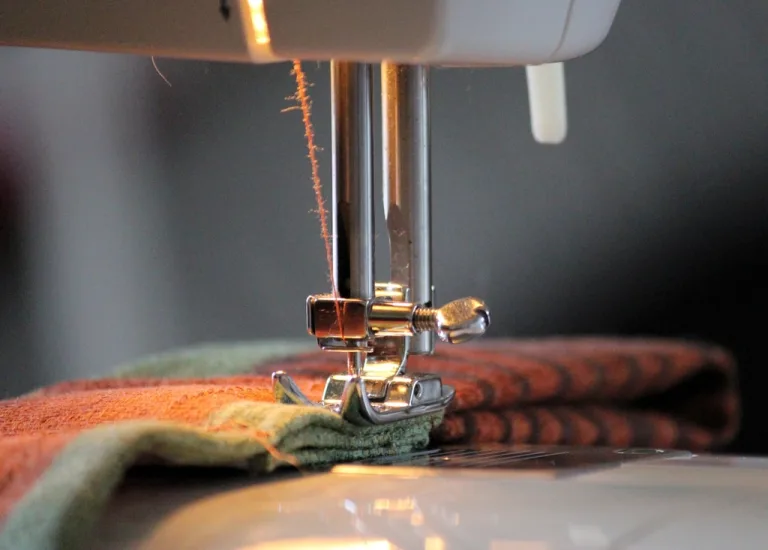
Most makers buy webbing, buckles, D-rings and breakaway clasps from craft and hardware suppliers, then add their own fabric. A sturdy home sewing machine handles light webbing; heavier work may call for a machine built for thicker materials. Keep a log of which supplier each batch of hardware came from so you can trace a problem if one ever comes up.
Pricing and where to sell
Price from your real costs: materials, hardware, your time, packaging and selling fees. Etsy, Amazon Handmade, local craft fairs and pet-friendly events such as breed meetups are natural outlets. Good photos on a real dog or cat help more than anything else, but keep them simple and focused on the product.
Rules for business licenses and sales tax vary by state and city, so check local requirements before you open shop.
More on Garage Business Blueprint
- Making and Selling Handmade Pet Beds From Your Garage
- Selling Homemade Dog Treats: The Licensing and Label Rules to Know First
- Product Photos That Sell: A Simple Home Setup for Handmade Goods