How to Start a Leather Goods Business From Your Garage
Leathercraft is a good fit for a small garage or spare-room workshop. The tools are mostly hand tools, the work is quiet, and finished goods such as wallets, card holders, belts, key fobs and watch straps are small enough to store and ship easily. You can start on a single sturdy table and grow from there.
Here is what a home leather goods business involves, what it costs to get going, and the mistakes beginners most often make. Prices are examples gathered in October 2026.
The basic tool kit
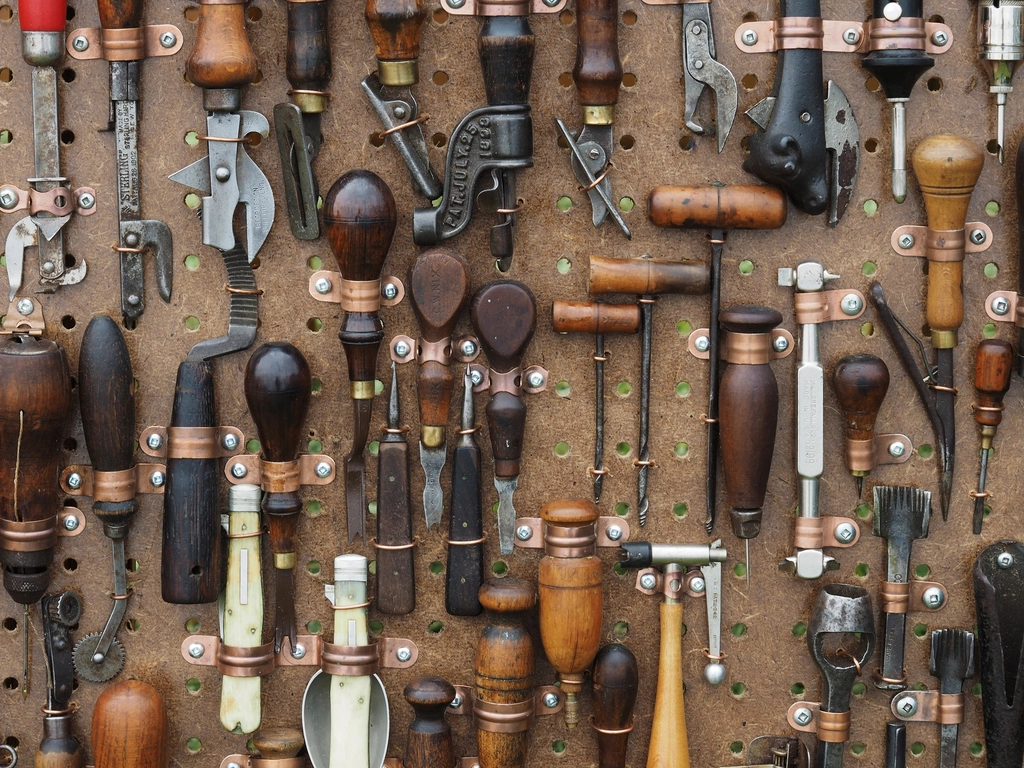
Weaver Leather Supply’s beginner guide groups the essentials into four jobs:
- Marking and measuring: a steel square or straight edge and a scratch awl
- Cutting: a snap-off utility knife or rotary cutter and a cutting board or self-healing mat
- Stitching: a stitching pony to hold the work, waxed thread, leather needles, stitching chisels and a poly or rawhide mallet
- Edge work: a groover, an edge beveler and a wood or plastic slicker for burnishing
Kits can be a cheaper way in. As of October 2026, Weaver listed its Beginner’s Leathercrafting Tool Kit at $95, including a stitching pony, groover, scratch awl, art knife, a 5 mm diamond stitching chisel set, a steel square, thread and two needles. Individual tools on the same site included a stitching pony at $25.75 and a diamond stitching chisel set from $26.50.
Not everyone agrees that kits are best. In a long Leatherworker.net forum discussion, some experienced makers advise buying only the tools your first projects need, because kits often include things you won’t use and your preferences (for example, stitching iron spacing or thread type) change as you learn. Others point out that very cheap tools dull or bend quickly. A sensible middle path is a modest kit or a few decent individual tools, then upgrading the ones you use most.
Choosing leather
Leather thickness is described in ounces. Weaver’s weight chart shows 4–5 oz as roughly 1/16 inch, suited to pouches and smaller goods, and 8–9 oz as about 1/8 inch, which it calls standard belt weight and also lists for holsters and heavier bags.
Vegetable-tanned leather is the usual choice for tooling, stamping and burnished edges. Weaver listed veg-tan single shoulders from $56 and an 8/9 oz belt blank from $10.90 as of October 2026. Forum members suggest practicing on offcuts or belly leather, which cost less, and starting with small items such as key rings and card holders before tackling bags.
Workspace and safety
You don’t need much floor space, but a few things make a big difference:
- A solid, flat bench that doesn’t bounce when you strike stitching chisels
- Good overhead light for cutting and stitching
- A separate area for dyeing and finishing, so spills don’t ruin cut pieces (a tip from the forum)
- A safe container for used knife blades
Sharp knives cause most leathercraft injuries, so cut away from your hand and keep blades fresh; a dull blade needs more force and slips more. Many dyes, finishes and edge products contain solvents or alcohol. Read the label and safety data sheet, work with ventilation, keep them away from heat sources, and consider water-based products if your space is poorly ventilated. Mallet work is loud, so hearing protection is worth having for long sessions.
What sells
Small, useful, giftable items are where most home leatherworkers start: card holders and minimalist wallets, key fobs, belts, watch straps, coasters, luggage tags and dog collars. Personalization with stamped initials adds value without much extra material. Choose a small range you can make consistently well, rather than dozens of one-off designs.
Common sales channels include craft fairs, a small online shop, local boutiques and custom orders from friends of past customers. Belts and straps need sizing information, so plan clear measurement instructions if you sell online.
Pricing
Leather goods take more time than buyers expect: pattern work, cutting, edge finishing, dyeing, hand stitching and burnishing. Track your hours and materials (leather, thread, dye, hardware and blade replacements) for several pieces before setting prices, and include a share of the leather you lose to offcuts and mistakes. Our handmade pricing formula, linked below, is a good starting point.
Common mistakes
- Buying a large tool set or a whole hide before you know what you’ll make
- Starting with complex bags instead of small practice projects
- Underpricing hand-stitched work by ignoring finishing time
- Dyeing in a closed room without ventilation
Rules to check
A quiet leather workshop rarely bothers neighbors, but you may still need a local business license and a sales tax permit, and some cities have home-occupation rules about customer visits or signs. If you make items for children, extra product-safety rules can apply. Requirements vary by state, county and city, so check locally or with a professional.
More on Garage Business Blueprint
- How to Price Handmade Products: A Simple Formula for Garage Makers
- Making and Selling Dog Collars, Leashes and Cat Collars From Your Garage
- Etsy Fees in 2026: What a Garage Seller Actually Pays per Sale