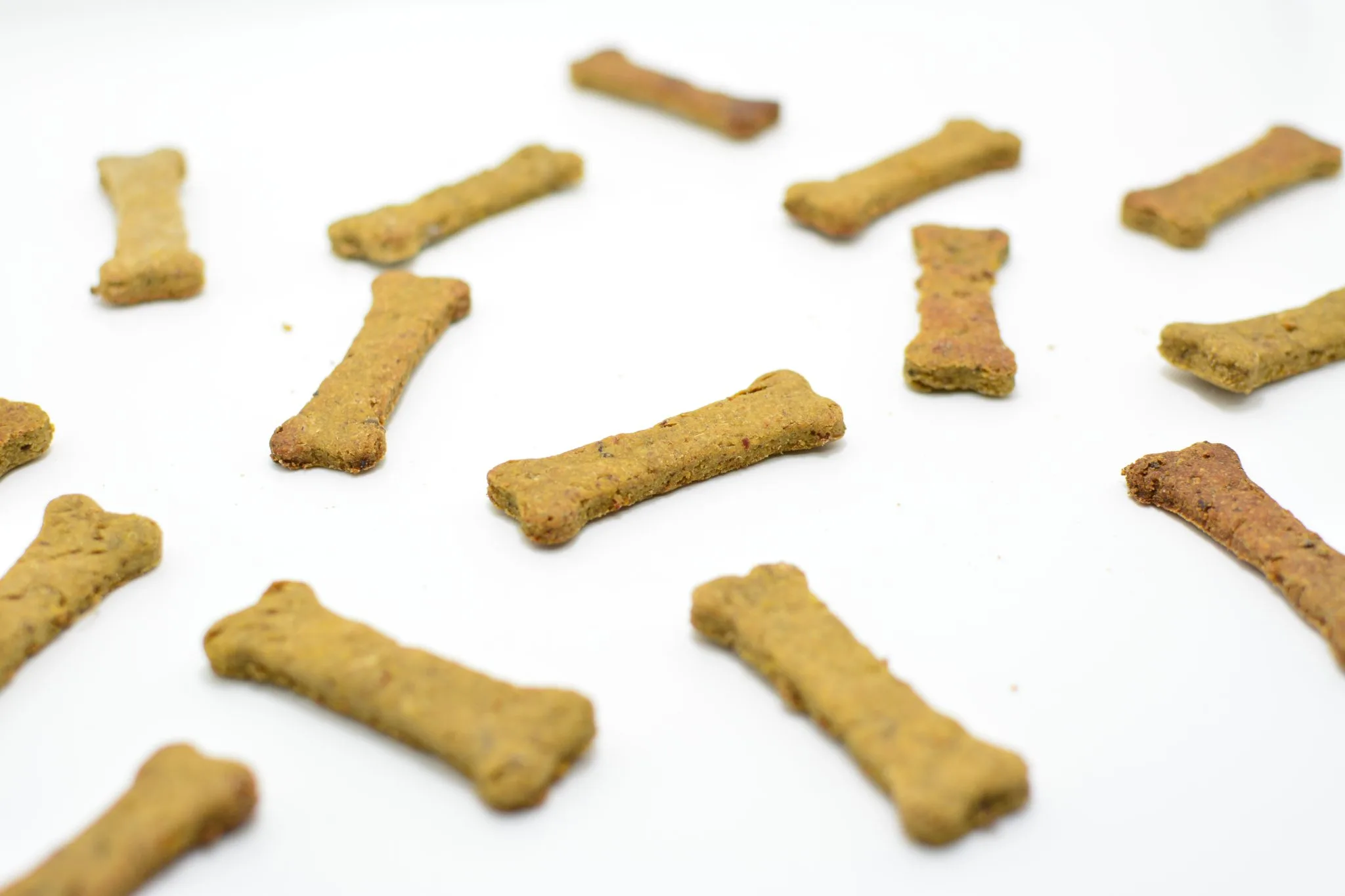
Selling Homemade Dog Treats: The Licensing and Label Rules to Know First
Homemade dog treats look like an easy garage or kitchen side business: simple ingredients, cute packaging and plenty of pet owners at every farmers market. The baking is the easy part. The paperwork is where many new sellers get surprised, because in the US, dog treats are regulated as animal feed, not as a cottage food.
Pet treats are “feed” in the eyes of regulators
The FDA regulates pet food much like other animal food. Under federal law it has to be safe to eat, made under sanitary conditions, free of harmful substances and truthfully labeled. Common ingredients such as meat, poultry and grains generally don’t need pre-market approval, but additives, preservatives and colorings must be approved or recognized as safe.
Day-to-day enforcement mostly happens at the state level. AAFCO, the Association of American Feed Control Officials, writes model rules that most states follow, but AAFCO itself has no legal authority. Your state feed control official is the person to ask, and AAFCO points out that you also need to meet the rules of every state where you sell, including online.
What a state license can look like
Two state guides show the typical pattern (fees as of October 2026; check for updates):
- Indiana: a commercial feed license costs $50 a year for any business, regardless of size, and each pre-packaged treat of 10 pounds or less is listed for $50 per product.
- Virginia: a commercial feed license is $50 per calendar year, plus $50 per product per year for packaged treats. Each flavor generally counts as a separate product. Virginia doesn’t inspect a home kitchen before you start selling, but good manufacturing practices still apply and inspectors may sample your products.
Other states differ, so look up your own department of agriculture or state chemist’s office before you buy packaging.
What goes on the label
State guides based on the AAFCO model ask for roughly the same items:
- Product and brand name, plus the species in words (“Dog”), not just a picture
- A treat or snack statement
- Net quantity in US and metric units, such as “Net wt. 8 oz (227 g)”
- Ingredients in descending order by weight, using accepted ingredient names
- A “Guaranteed Analysis” for crude protein, fat, fiber and moisture
- Your business name and address (Virginia also asks for calorie content)
Guaranteed analysis numbers usually come from a lab that you choose and pay for. Be careful with marketing words, too: Indiana notes that “human grade” claims need serious documentation and “all natural” claims must be accurate.
Safety basics for your recipes
Some foods that are fine for people are toxic to dogs. Indiana’s guide lists chocolate, onion, grapes and raisins, coffee and garlic as examples and says the list isn’t complete. Keep your recipes simple, keep pet baking separate from family meals where you can, and record batch dates in case a customer ever has a question.
A sensible first step
Before you print a single label, call your state feed office, describe the treats you want to sell and ask which license, product registrations and label review apply. It’s a short call that can save you a box of unusable packaging. Rules vary by state and can change, so treat this as general information, not legal advice.
More on Garage Business Blueprint
- Can You Legally Run a Business From Your Garage? Zoning, Permits and HOA Rules Explained
- Home Business Insurance: What Your Homeowner’s Policy Won’t Cover and What to Buy Instead
- Getting Your Garage Business Ready for Holiday Craft Fairs