How to Start a Camping Gear Rental Business From Your Garage
Lots of people want to try camping without buying a tent, sleeping bags and a stove they might use twice a year. A camping gear rental business fills that gap from your garage: you keep clean, complete kits on shelves, rent them by the weekend or week, and check everything when it comes back.
Startup costs
A startup guide from Reservety, a rental software company, estimated a first-year budget of about $5,560 to $16,700, depending largely on how much gear you buy and whether you already have storage space. Its breakdown included $3,000–$10,000 for 10 to 15 complete camping setups, $500–$2,000 for legal and insurance costs, $500–$1,500 for marketing and $1,000–$2,000 set aside for repairs and replacements. Running from your own garage can cut the storage line, which that guide put at $200–$600 a month for a rented unit.
Building inventory
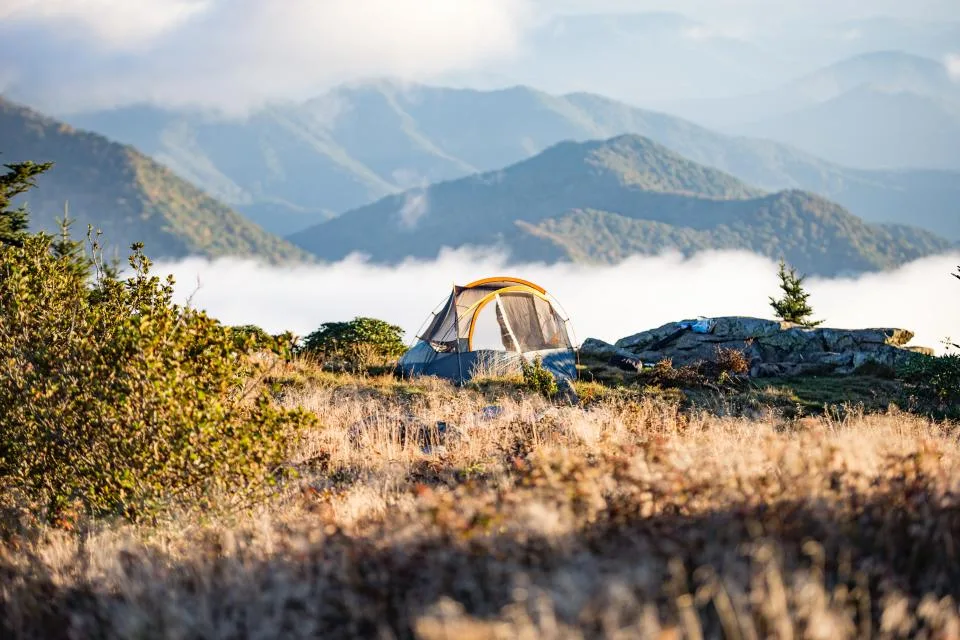
- Start with complete kits (tent, sleeping bags and pads, stove, cooler) so renters don’t have to piece things together.
- Choose durable gear over the cheapest option; rental use is hard on zippers, poles and seams.
- Ask manufacturers whether warranties cover rental or commercial use.
- Tag every item with an ID number and use check-out and check-in checklists to record condition.
Pricing
The same guide suggested ranges such as $30–$50 a weekend for a four-person tent, $10–$20 for a sleeping bag and $75–$150 for a full kit, with weekly rates around double the weekend rate. It also mentioned optional damage waivers and paid delivery. Treat these as starting points and check what outfitters near you charge, since prices vary by area.
Cleaning and storage
Clean gear is what brings renters back. The Reservety guide recommends shaking out and wiping tents with mild soap, letting them dry completely, gently washing sleeping bags, scrubbing cooking gear and checking stove burners and fuel connections. Never store a tent damp; mildew can ruin it. Keep gear on shelves off the garage floor, and a dehumidifier helps in humid climates.
Agreements, deposits and insurance
Use a written rental agreement that sets out the rental period, deposit and refund conditions, late fees and what counts as damage. Rules for deposits and contracts vary by state, so have a local attorney review your template. For insurance, the guide mentions general liability, inland marine coverage for equipment away from your home, and property coverage for stored inventory. Ask an agent which policies fit a home-based rental business.
Safety notes for renters
- Include written instructions for stoves and fuel, and remind renters never to use a stove or heater inside a tent.
- Check stoves, lanterns and fuel fittings for leaks or damage after every return.
- Don’t rent out fuel canisters that look dented or corroded.
Demand is seasonal, so plan for quiet months. Spring and fall bookings can help, since some competitors only rent in summer.
More on Garage Business Blueprint
- How to Start a Party Rental Business From Your Garage
- Home Business Insurance: What Your Homeowner’s Policy Won’t Cover and What to Buy Instead