Building and Selling Raised Garden Beds: A Garage Business Idea
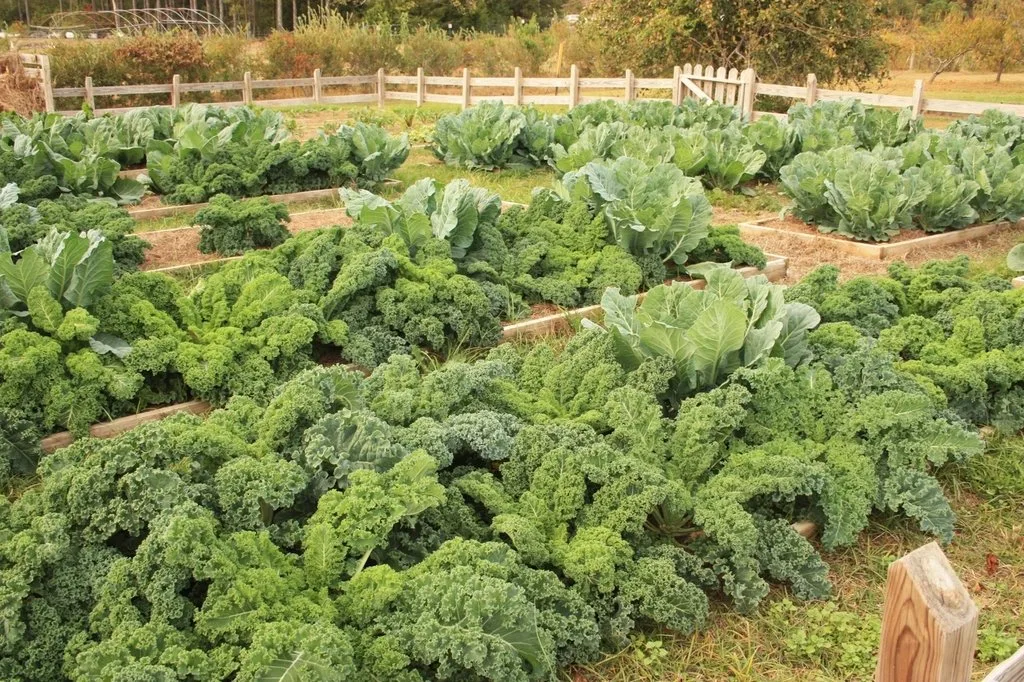
Raised garden beds are a simple, beginner-friendly project: straight cuts, basic fasteners and a product people understand at a glance. If you have a garage, a saw and some free weekends, they make a sensible side-business idea to test locally.
Why there is demand
The National Gardening Association reported that 41% of U.S. households, about 53.7 million, did food gardening in 2021, up from 35.4% in 2018 (FOX 9). Those numbers are a few years old, but they show a large pool of home growers, and many of them want an easier setup than digging up the lawn.
Wood options: cedar, pine and treated lumber
Cedar, fir and redwood resist rot without chemicals, and Mississippi State Extension also says modern treated wood is considered garden-safe (Mississippi State Extension). Oregon State Extension (revised April 2026) says lumber approved for residential use and labeled for ground contact is generally acceptable, and advises against old CCA-treated lumber, railroad ties and utility poles. Its research found copper moved only about an inch into the soil. For customers who prefer to avoid treated wood, it suggests cedar or redwood (Oregon State Extension).
Longevity matters to buyers. A University of Maryland Extension blog estimated pine lasts 3–5 years and cedar closer to 15, though cedar was out of stock at many stores the author checked (University of Maryland Extension). A good-better-best lineup (pine, treated, cedar) lets customers choose.
Rough material costs
Treat these as estimates, as of October 2026 sources, not quotes. Prices vary by region and change often.
- Mississippi State Extension’s sample budget for an 8-by-4-by-1-foot bed lists about $48 for treated lumber (source).
- The Maryland article estimated roughly $80 for pine lumber for an 8’ x 4’ x 12” bed and said cedar would cost about double (published 2021, so expect higher prices today) (source).
- A budget cedar-picket design from Ana White used six 6-foot fence pickets for a narrow 6-foot bed, with the author spending about $10 on lumber (commenters reported varying prices) (source).
Tools you need
Tape measure, speed square, circular saw, drill and exterior-rated screws cover most builds. A table saw is optional (Ana White notes it is only for ripping corner strips). Wear safety glasses and hearing protection, and use a dust mask when cutting. Lift with a helper: filled beds are heavy, and finished frames are awkward to carry.
Sizes that sell
Extension guidance recommends keeping beds no wider than 4 feet so gardeners can reach the middle from either side, with at least 6 inches of depth (Mississippi State Extension). Start with 4’x8’ and 4’x4’ beds, plus a narrow 1.5’x6’ option for patios and fence lines. Taller beds at 12 inches or more are worth offering to customers who want less bending.
Add-ons that raise the sale
- Trellises or cages that bolt to the frame
- Soil and compost delivery, which the Maryland article shows is a major cost (bulk soil was cheaper than bagged in its example)
- Assembly or installation at the customer’s home, including leveling and weed barrier
- Deer or critter netting kits
Pricing approach
Add up lumber, hardware, finishing supplies, fuel and your time for each size, then compare the total to what similar beds sell for locally. Check online listings and garden centers before you commit. Pre-cut kits can undercut a handmade bed, so lean on quality lumber, custom sizes and delivery. Results will vary, and there is no guarantee of profit.
Where to sell and when
Start local: Facebook Marketplace, neighborhood groups and farmers markets. A Gazette report on Colorado Springs shows local gardeners already use Marketplace to sell plants, often below big-box prices (The Gazette), so show photos of finished beds and clear dimensions. Market vendor rules, sales tax and business license requirements vary by state, county and city, so check locally or with a professional.
Demand typically builds as gardeners plan their spring plantings, so aim to have stock ready by late winter. Fall and winter are good times to build inventory, order lumber and line up delivery.
Delivery logistics
Plan for a pickup truck or trailer, ratchet straps and a way to stack frames without scratching them. Sell beds flat-packed or knocked down when you can, set a delivery radius, and check your vehicle and business insurance with your agent.
Sources
- FOX 9: 2 in 5 US households now growing food following pandemic boom
- Oregon State Extension: Pressure-treated wood for raised bed construction in Oregon
- University of Maryland Extension: Planning and budgeting for a new raised bed garden
- Mississippi State Extension: Raised bed gardening (Publication 3087)
- Ana White: Cedar fence picket raised garden beds, narrow width
- The Gazette: Facebook Marketplace turns the local plant sale digital