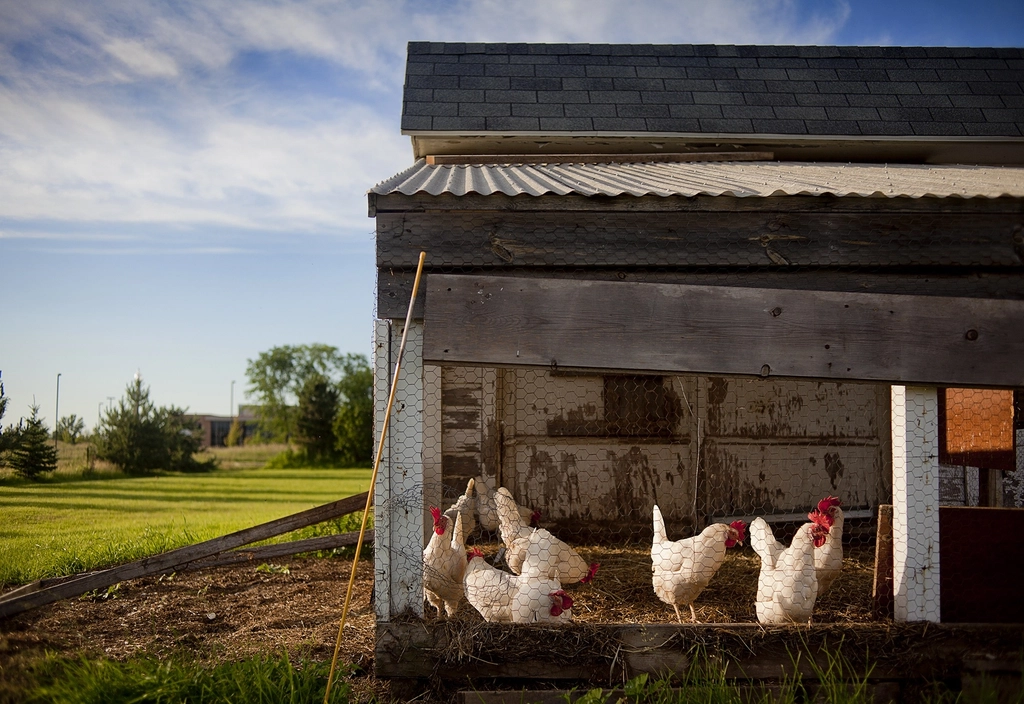
Building and Selling Backyard Chicken Coops From Your Garage
Backyard chicken keepers need a coop before they need almost anything else, and many of them would rather buy a well-built one than spend weekends building it. That makes coops a natural product for a garage woodworker.
Coops are bigger and heavier than most garage products, so they take more planning. Here’s what buyers need, what to build and how to price and deliver it.
Who buys chicken coops
- First-time keepers who just got approval for a small flock of hens
- Experienced keepers replacing a cheap kit coop that has rotted or let in predators
- Families and schools wanting a small, easy-to-clean setup
- Homesteaders who want a larger coop or a movable coop on wheels
Many buyers are new to poultry, so a coop that follows extension service guidelines, and that you can explain clearly, is a strong selling point.
Design basics backed by extension guidance
Space per bird
Guidance varies a little by source. Oregon State University Extension’s backyard chicken coop design publication suggests about 3 square feet per bird when birds also have a run, or 8 to 10 square feet if they stay inside. A University of Missouri Extension housing presentation gives 3 square feet inside for light breeds and 4 for heavy breeds, plus 8 to 10 square feet per bird in the run. Rate each design for a specific number of hens.
Ventilation
Oregon State recommends passive airflow through windows or vents in gables, eaves or the roof, without drafts on the birds. University of Maryland Extension’s small flock housing page suggests a “sniff test”: an ammonia smell or moisture on the walls signals poor ventilation. Screen every vent.
Predator-proofing
Missouri’s guidance calls for ¼-inch hardware cloth on runs and heavy wire on the inside of windows and vents. Oregon State suggests raising the coop at least 1 foot off the ground with a solid floor and burying run fencing 6 to 12 inches deep. Secure latches matter, since the flock should be shut in at night.
Nest boxes and roosts
Both Maryland and Missouri suggest one nest box for every 4 to 5 hens, and Oregon State and Missouri both describe boxes about 12 inches square. For roosts, Oregon State suggests 1- to 2-inch lumber with rounded top edges, about 2 feet off the floor, with 5 to 10 inches per bird. Maryland advises keeping perches no higher than 4 feet.
Cleaning access
Oregon State recommends outward-opening doors, floors that drain when hosed and a layout that lets the owner reach every corner. Large doors and a removable droppings tray are features buyers notice.
Materials
Common choices are exterior plywood, framing lumber, metal or shingle roofing and hardware cloth. Oregon State notes that pressure-treated wood or latex-painted wood is easier to clean. Missouri suggests ¾-inch exterior-grade plywood for floors. Use exterior-rated screws and hinges, since coops sit outdoors year round.
A zoning note for your buyers
Local rules shape what customers can buy. In Prairie Village, Kansas, for example, the city’s backyard chicken rules allow up to six hens and no roosters, require at least 12 square feet per chicken, cap structures at 84 square feet and require setbacks from property lines and neighboring homes. HOA restrictions can override city rules.
Rules vary widely by city, county and HOA. Encourage buyers to check local ordinances before ordering, and list each coop’s footprint and bird capacity so they can compare it to their rules.
Pricing
As of October 2026, Tractor Supply’s coops for 8 chickens page lists mass-market coops mostly from about $230 to $1,400, with a few premium models from $2,000 to $3,600. Amish-built coops sit higher. My Pet Chicken lists a 4-by-4-foot A-frame coop for up to 8 hens at $2,499.99, and Pine Creek Structures in Pennsylvania lists a 6-by-8-foot coop at a $2,805 base price before options.
Most garage builders will land between kit coops and premium builds. Price from your actual lumber, hardware and labor, and charge separately for delivery, paint upgrades or wheels.
Delivery and flat-pack options
A finished coop is heavy and awkward. My Pet Chicken’s listing notes that standard delivery stops at the end of the driveway and that placing the coop in the yard costs an extra $600. Decide early how you’ll handle this:
- Local delivery on a trailer within a set radius, with a clear fee
- Customer pickup with help loading
- Flat-pack panels that bolt together on site, which are easier to haul and may ship by freight
- Paid assembly at the buyer’s home as an add-on
Where to sell
- Facebook Marketplace and local poultry groups for pickup sales
- Farm and feed stores that may display a sample coop
- County fairs, poultry swaps and spring chick-season events
- Your own website with photos, specs and a delivery map
Tool and lifting safety
Coops mean a lot of sheet goods and long rip cuts. OSHA’s table saw guidance recommends using a spreader and anti-kickback devices when ripping, supporting long stock and keeping hands out of the line of the cut. Wear eye protection when cutting hardware cloth, since cut wire ends are sharp.
For moving panels and finished coops, UMBC’s back safety guide advises lifting with your legs, keeping loads close, turning your whole body instead of twisting and using carts, dollies or a helper when a load is too heavy.
More on Garage Business Blueprint
- Building and Selling Raised Garden Beds: A Garage Business Idea
- Building and Selling Birdhouses From Your Garage: What Birds and Buyers Want
- How to Price Handmade Products: A Simple Formula for Garage Makers
Sources
- Oregon State University Extension: Living on the Land, Backyard Chicken Coop Design (EC 1644)
- University of Missouri Extension: Chickens in the Backyard, Housing and Space Requirements (hosted by UT Extension McMinn County)
- University of Maryland Extension: Small Flock Housing, Construction and General Requirements
- City of Prairie Village, Kansas: Backyard Chickens
- Tractor Supply: Chicken Coops for 8 Chickens
- My Pet Chicken: A-Frame 4×4 Chicken Coop, up to 8 chickens
- Pine Creek Structures: 6×8 Chicken Coop
- OSHA Woodworking eTool: Table Saws
- UMBC Environmental Safety: Manual Material Handling and Back Safety