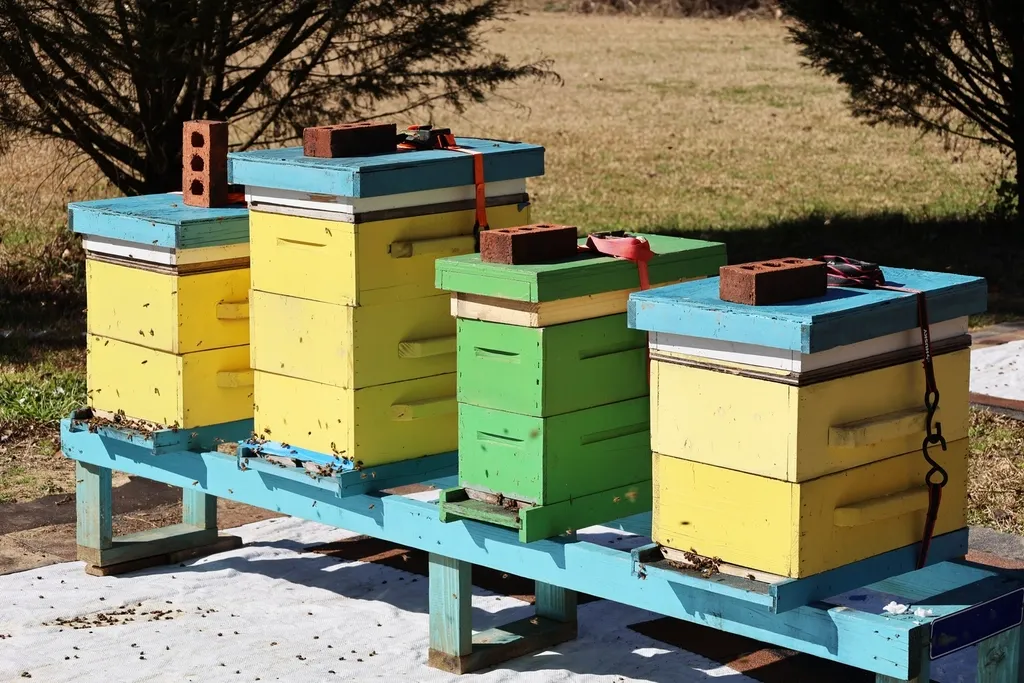
Building and Selling Beehive Boxes and Beekeeping Woodenware From Your Garage
Beekeepers go through a lot of wooden equipment. Every colony needs hive bodies, honey supers, frames, a bottom board and covers, and boxes get replaced as they rot, crack or the apiary grows. That makes beekeeping woodenware a good niche for a garage woodworker. It’s simple joinery, the dimensions are standardized, and buyers return every spring.
Who buys
The market is local hobbyists, small farms and sideline beekeepers. USDA counted about 2.8 million honey bee colonies in the U.S. on January 1, 2026, and that figure only includes operations with five or more colonies, so it leaves out many backyard hives. Local beekeeping clubs and county extension classes are where new beekeepers gather, and a beginner needs a full hive setup.
Get the dimensions right
Langstroth hives only work if the parts are interchangeable. Beekeepers expect your boxes to fit with frames and lids from the big suppliers. University extension guides give the standard sizes:
- Deep (brood box): 9 5/8 inches tall. The University of Missouri gives 16 1/4 inches wide by 19 7/8 inches long for a 10-frame box.
- Medium: 6 5/8 inches tall.
- Shallow: about 5 3/8 to 5 11/16 inches tall, depending on the source.
- Bee space: gaps of roughly 1/4 to 3/8 inch. Bigger gaps get filled with comb and smaller ones with propolis, which is why accuracy matters.
Before you sell, build a test box and check it against frames and covers you’ve bought from a supplier. Many beekeepers also run 8-frame boxes, which are narrower and lighter, so decide which sizes you’ll offer.
Wood and finish
Extension sources agree on a few points:
- Never use pressure-treated lumber.
- Pine is the usual choice. Cypress, cedar and redwood are also used, and some sources say cypress and cedar can go unpainted.
- Paint only the outside of boxes and covers with exterior paint, usually in light colors. Leave interiors, inner covers and frames bare. A University of Florida guide suggests two to three coats on the outside.
Selling boxes unpainted lets beekeepers choose their own finish. If you offer painted boxes, use exterior latex and let it cure well before delivery.
What to charge
You’re up against the big suppliers. These were their prices for a 10-frame deep body in October 2026:
- Mann Lake unassembled commercial-grade deep: $23.99.
- Mann Lake unassembled select-grade deep: $25.99.
- Dadant unassembled commercial deep: $20.95.
- Dadant painted, assembled deep with frames: $74.95.
A garage shop won’t beat those prices on bare, unassembled boxes. Where you can compete:
- Selling assembled, ready-to-use equipment.
- Local pickup with no freight charges.
- Better wood, such as cedar or thicker stock.
- Custom pieces like screened bottom boards, nuc boxes, hive stands or garden-style roofs.
Price from your real material and shop time, not by copying catalog prices.
Timing matters
Beekeeping sales are seasonal. Extension guides tell new beekeepers to order bees in late fall or winter for spring delivery, and to have equipment built and painted a few weeks before the bees arrive. That puts your busy season in winter and early spring. Take orders from December to March and build stock in the fall.
Where to sell
- Beekeeping clubs: local clubs are the best channel. Ask whether you can bring samples to a meeting or advertise in the club newsletter.
- Extension classes: beginner classes are often held in late winter, and new beekeepers in those classes need complete hives.
- Farm and feed stores: a nearby store may stock a few assembled boxes on consignment or wholesale.
- Facebook Marketplace and local groups: these work well because hive boxes are bulky and costly to ship. Local pickup saves the buyer freight.
Shipping assembled boxes is expensive. Weigh and measure a packed box before you offer shipping, or ship flat-packed kits instead.
Start with a small product line
You don’t need to make every part on day one. A sensible starting lineup:
- Deep and medium boxes in one width (8-frame or 10-frame).
- Bottom boards.
- Outer covers.
Many beekeepers buy frames and foundation from suppliers, so leave those out at first. Then add the pieces local buyers ask for. Keep a jig for every cut so each box matches the last.
Your customers’ rules
Many states require beekeepers to register their apiaries. For example, Tennessee requires all colonies to be registered. In Oregon, registration starts at five colonies. You don’t need to enforce this, but a short note pointing buyers to their state agriculture department is a helpful touch.
Shop safety
Box joints and rabbets involve a lot of table-saw and router work. Use guards, featherboards and push blocks, and wear eye and hearing protection. Paint in a ventilated space and keep finishes and rags away from heat sources.
More on Garage Business Blueprint
- Building and Selling Raised Garden Beds: A Garage Business Idea
- Building and Selling Backyard Chicken Coops From Your Garage
- Building and Selling Birdhouses From Your Garage: What Birds and Buyers Want
Sources
- University of Arkansas: Quick Guide to Beekeeping Woodenware
- University of Missouri Extension: Beekeeping Tips for Beginners (G7600)
- MAAREC: Beekeeping equipment
- UF/IFAS: Preserving Woodenware in Beekeeping Operations
- Oklahoma State Extension: Beginning Honey Beekeeping Equipment and Associated Costs
- USDA NASS: Honey Bee Colonies (August 2026)
- Mann Lake: Unassembled 9 5/8-Inch Commercial Grade Deep Hive Box
- Mann Lake: Unassembled 10 Frame Select Grade Deep Hive Box
- Dadant: Hive Body Commercial Empty 10-Frame
- Dadant: Painted Assembled Hive Body with 10 Frames
- Tennessee Department of Agriculture: Apiary Registration
- Oregon Department of Agriculture: Bees and Apiaries