How to Start a Sublimation Printing Business From Home
Sublimation printing turns a design on special paper into a permanent, full-color image on a mug, tumbler, ornament or polyester shirt. It needs little floor space, the equipment fits on one sturdy table, and the products sell well as personalized gifts. That makes it one of the easier maker businesses to start from a garage or spare room.
How sublimation works
You print your design with sublimation ink onto transfer paper, then use heat and pressure to turn the ink into a gas that bonds with the surface of the item. The catch: it only works on polyester fabric or on “blanks” with a special polymer coating. Plain cotton and uncoated mugs won’t take the image. For shirts, Printable Press recommends at least 65% polyester, with 100% polyester giving the brightest colors.
Equipment and realistic startup costs
Printable Press (April 2026) puts a typical setup at these ranges:
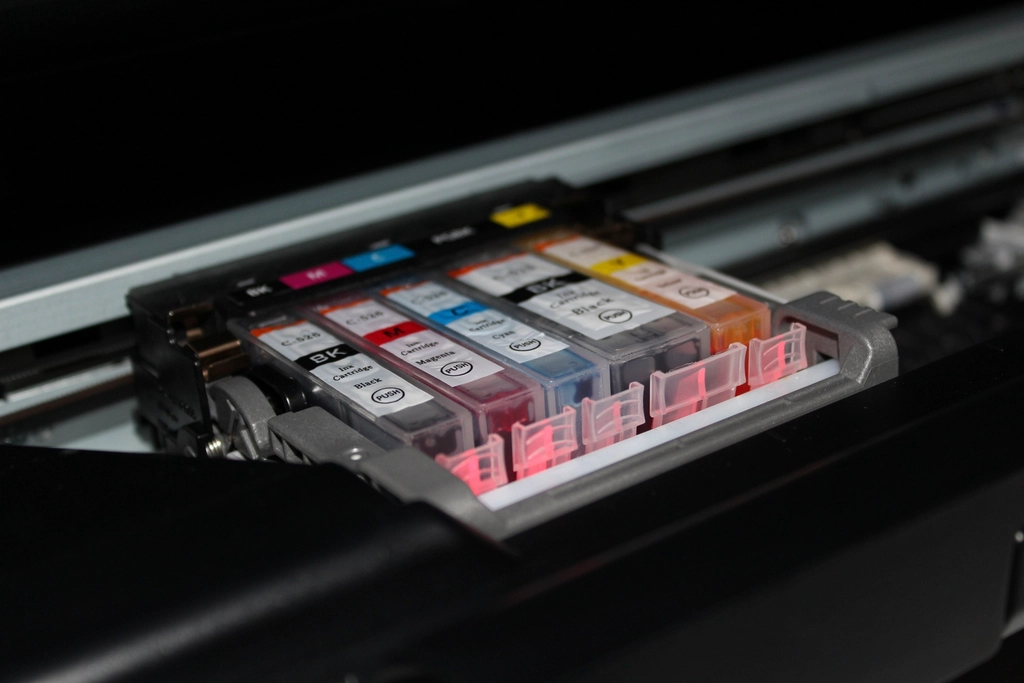
- Printer: about $200–$350 for a converted inkjet (which usually voids the printer warranty) or $500–$700 for a dedicated sublimation printer
- Flat heat press (15 x 15 inches with a digital readout): about $130–$500
- Mug press for mugs and straight tumblers: about $50–$180
- Sublimation ink: about $20–$120 to start
- Transfer paper: about $10–$40 per 100 sheets
- Starter blanks: about $50–$300
- Design software: free options exist; paid programs can run around $55 a month
Their estimate for a full starter kit is roughly $460–$800 on a tight budget and $1,090–$1,840 for mid-range gear, as of April 2026. Treat those numbers as a starting point and price your own shopping list before you buy.
What tends to sell
Mugs, mousepads and polyester shirts are steady, simple sellers. Tumblers, ornaments and photo slates usually carry better margins. Personalization is the real draw: names, pet portraits, team jerseys and family photos give buyers a reason to order from you instead of a big-box store. Ornaments are a natural fourth-quarter product, so if you start now, test a small batch for holiday orders.
Space and safety
- Put the press on a heat-resistant table rated for its weight; a 15 x 15 press can weigh 15–25 pounds.
- Wear heat-resistant gloves. The platen and the finished blanks are hot enough to burn.
- Ventilate the work area, especially during long press sessions.
- Keep kids and pets away from the press while it heats up and cools down.
- Store blanks out of direct sunlight, which can degrade the coating.
Pricing and common mistakes
Add up the cost of each blank, ink, paper, packaging and platform fees, then add your time. Many new sellers forget the fees and the ruined test pieces. Run a few practice presses on cheap blanks before you sell, because time, temperature and pressure settings vary by item.
Also check the rules where you live. Home-occupation permits, sales tax and business licenses vary by state, county and city, so confirm the requirements locally before your first sale.
More on Garage Business Blueprint
- How to Start a Screen Printing Business From Your Garage
- How to Start a Vinyl Decal and Sign Business From Home
- How to Price Handmade Products: A Simple Formula for Garage Makers