Making and Selling Handmade Pet Beds From Your Garage
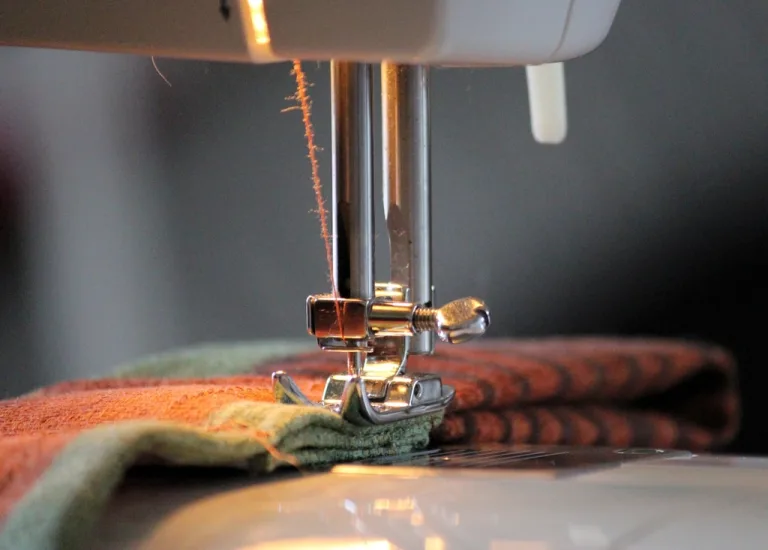
If you can sew a straight seam and you like dogs and cats, handmade pet beds are a garage business worth a close look. Pet owners spend steadily on their animals, beds wear out, and a well-made bed in the right size and fabric is something big-box stores don’t always do well.
Who buys pet beds
The market is large. The American Pet Products Association reported in March 2026 that U.S. pet industry spending reached about $158 billion in 2025, and that roughly 95 million U.S. households own at least one pet.
The buyers most likely to pay for a handmade bed tend to want something specific:
- Owners of large or giant breeds who struggle to find beds big enough
- Owners of senior dogs who want a firmer, lower bed that’s easy to step into
- People who want a bed that matches their sofa or decor
- Cat owners looking for window perches, cave beds or small bolster beds
- Buyers who want a washable, removable cover
Product ideas to start with
- Rectangular bolster beds in three or four standard sizes
- Replacement covers that fit popular bed sizes
- Raised wooden cots for outdoor use
- Crate pads cut to common crate dimensions
- Custom-size beds as a premium, made-to-order option
Start with a small range you can make consistently, and add custom work later.
The rules most new makers miss
Pet beds are filled products, and several states have “law label” rules for stuffed articles such as bedding, pillows and mattresses. Ohio, for example, requires anyone who manufactures or sells bedding and stuffed toys to register with the state and label the products properly under Ohio Revised Code 3713.02. A compliance guide from ComplianceGate notes that whether these rules reach pet beds is unclear in many states, and that some retailers ask for law labels anyway.
The same guide notes that federal flammability standards for mattresses and similar items don’t appear to exempt pet products, and California’s Proposition 65 can require warnings if materials contain listed chemicals. CPSIA, the children’s product law, generally does not apply to pet items.
Treat this as general information, not legal advice. Rules vary by state, so check with your state’s agency or a compliance professional before selling across state lines or wholesaling to shops.
Sourcing and safety
- Buy fill and fabric from suppliers who can tell you what’s in them; you’ll need that for any law label.
- Choose sturdy zippers and double-stitched seams. Chewed-up fill can be a hazard for pets, so say clearly in listings that beds aren’t chew-proof.
- Keep cutting tables clear and use a cutting mat and guard on rotary cutters; fabric dust and stuffing fibers build up fast, so vacuum often.
Pricing and where to sell
Price from your actual costs: fabric, fill, zipper, thread, labels, packaging and your time. Large beds are bulky, so price shipping carefully or offer local pickup. Etsy, local farmers markets, pet-friendly craft fairs and partnerships with groomers or dog trainers are all natural places to start.
More on Garage Business Blueprint
- Selling Homemade Dog Treats: The Licensing and Label Rules to Know First
- Can You Legally Run a Business From Your Garage? Zoning, Permits and HOA Rules Explained
- Home Business Insurance: What Your Homeowner’s Policy Won’t Cover and What to Buy Instead