Fall Mower Winterizing and Snow Blower Tune-Ups: A Seasonal Service for Your Garage Repair Business
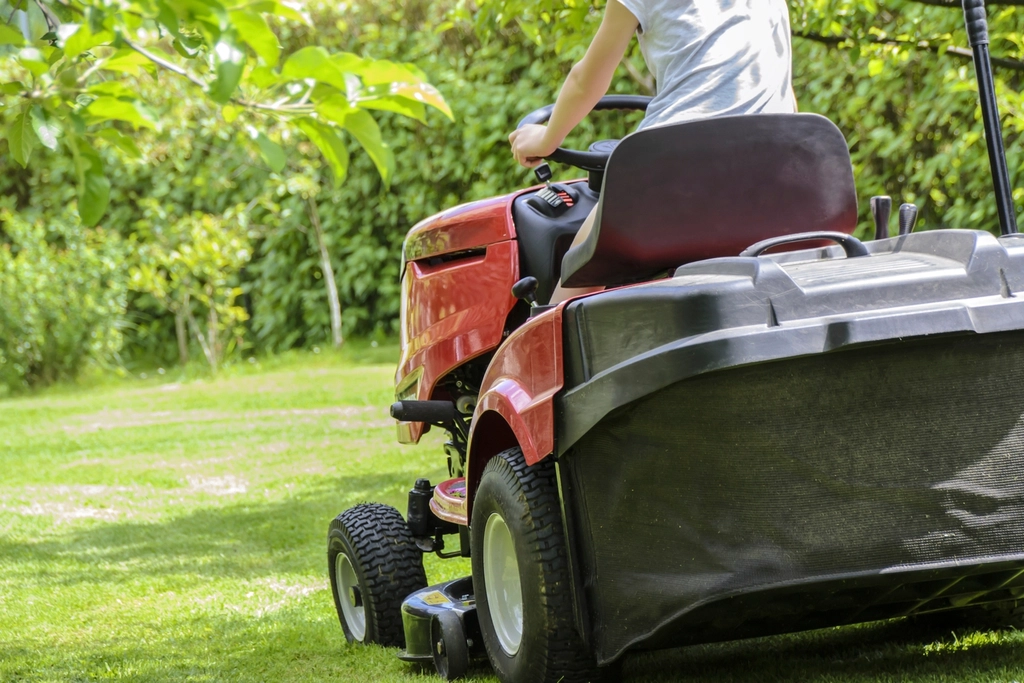
When the last mow of the season is done, most people roll the mower into a corner and forget about it until spring. That’s an opening for a garage repair business. A fall “winterize and tune-up” package gives customers one less chore, and gives you steady work as the lawn season winds down.
What a Mower Winterizing Service Includes
Briggs & Stratton and Virginia Cooperative Extension describe similar end-of-season steps. A typical package covers:
- Fuel: Either add stabilizer, fill the tank, and run the engine briefly so treated fuel reaches the carburetor, or drain the fuel completely.
- Oil change: Drain the old oil and refill with the type and amount listed in the owner’s manual.
- Blades: Remove, then sharpen or replace worn blades.
- Air filter: Clean it or replace paper filters.
- Spark plug: Inspect or replace it.
- Battery (riding mowers): Disconnect the negative cable first, clean the terminals, and store the battery somewhere cool and dry.
Why Ethanol Fuel Matters
Briggs & Stratton notes that gas can start to degrade in as little as 30 days. Ethanol blends, especially E15, attract moisture that can separate and settle in the tank. The Outdoor Power Equipment Institute (OPEI) has warned that fuel with more than 10% ethanol shouldn’t go into outdoor power equipment. Explaining this to customers shows why fall service is worth paying for.
Snow Blower Pre-Season Tune-Ups
Offer the same customers a snow blower check. Bob Vila’s maintenance guide covers replacing broken or missing shear pins, checking belts for looseness or cracks, and inspecting the auger’s rubber edge and skid shoes. It also covers changing the oil, replacing the spark plug, and swapping the fuel and air filter.
Logistics, Storage, and Pricing
Decide early how many machines your garage can hold at once, and set drop-off windows to match. Pickup and delivery is a natural add-on.
For pricing benchmarks as of October 2026, Lawn Love’s cost guide (last updated December 2025) lists push mower service at about $25 to $70 and riding mower service at about $92 to $223. It puts blade sharpening at about $50 to $70 and pickup and delivery at about $30 to $70. To price a bundled package, call a few local shops and compare. They’re also your best source for snow blower rates.
Getting the Word Out
Post in neighborhood groups, hang flyers at community boards, and knock on doors on your street. A simple “fall mower plus snow blower” bundle is easy for neighbors to understand.
Safety First
- Disconnect the spark plug wire before you clean under a mower deck or work on the blades.
- The National Fire Protection Association (NFPA) advises keeping gasoline in approved containers and filling portable cans outdoors. Store gas away from pilot lights, sparks, and other ignition sources.
- Never run an engine in a closed garage. The U.S. Consumer Product Safety Commission (CPSC) warns against running vehicles or generators in a garage, even with the door open, because of carbon monoxide.
Check Local Rules
Business license requirements vary by city and county. Old oil and fuel need proper disposal, too. The EPA suggests asking local waste officials and auto maintenance shops where used oil can be dropped off.
More on Garage Business Blueprint
- How to Start a Small Engine Repair Business From Home
- How to Start a Knife and Tool Sharpening Business From Home
- Home Business Insurance: What Your Homeowner’s Policy Won’t Cover and What to Buy Instead
Sources
- Briggs & Stratton: The Importance of Fuel Stabilizer
- Briggs & Stratton: How To Properly Winterize Your Mower
- Virginia Cooperative Extension: November Tips, Tools and Equipment
- ANSI Blog: OPEI Launches “Look Before You Pump”
- Bob Vila: How to Maintain a Snow Blower
- Lawn Love: How Much Does Lawn Mower Service Cost?
- Safety+Health Magazine: Gasoline Safe Storage and Handling
- CPSC: CPSC Reminds Consumers to Warm Up to Safety this Winter
- EPA: Managing, Reusing, and Recycling Used Oil