How to Start an Appliance Repair Business From Home
When a washer stops spinning or a refrigerator quits cooling, most households want someone who can show up, find the problem, and fix it. An appliance repair business can run from a garage with a vehicle, a solid tool kit, and a phone. Here’s how to approach it.
What the Work Involves
You’ll mostly do in-home repairs on washers, dryers, refrigerators, dishwashers, and ranges. A typical visit means diagnosing the fault, explaining the options, and then replacing a part or ordering one for a return trip.
Skills and EPA Certification
You’ll need basic electrical troubleshooting skills and comfort reading wiring diagrams, plus hands-on mechanical skill. Practice on your own appliances or train with an experienced tech before you take paid jobs.
Refrigerators bring federal rules into play. The EPA requires Section 608 certification for anyone who services equipment that could release refrigerant. That includes attaching gauges or adding or removing refrigerant. Household refrigerators and freezers count as “small appliances,” which are covered by Type I certification. You get certified by passing a test given by an EPA-approved certifying organization, and the credential doesn’t expire.
Tools and Startup Costs
As of October 2026, Jobber’s tool guide (last updated March 2025) lists these typical prices:
- Multimeter: $15–$100
- Nut driver set: $15–$50
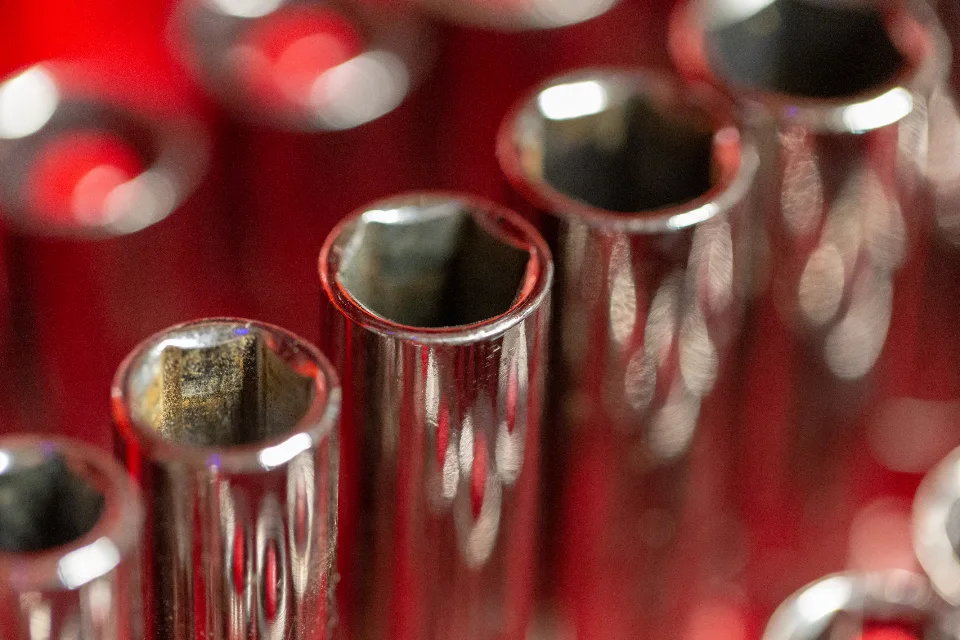
- Socket set: $30–$100
- Appliance rollers: $15–$60
- Gas leak detector: $25–$80
Start with the basics, and add refrigerant equipment once you’re certified and the jobs call for it.
Licensing and Insurance
Rules differ by state, county, and city. California, for example, requires businesses that repair major home appliances to register with its Bureau of Household Goods and Services. The SBA says you may also need local licenses, and zoning rules can apply even to home-based businesses. Check with your state and city before your first job. On insurance, the SBA notes that a home-based business rider on a homeowner’s policy gives only limited protection, so ask an agent about general liability coverage.
Pricing Your Jobs
Many shops charge a diagnostic fee and then a flat rate or labor plus parts. As of October 2026, Housecall Pro lists diagnostic visits at about $70–$130, with same-day or emergency visits at $125–$250. Its typical repair ranges include $150–$400 for refrigerators and $125–$450 for washers. It also says many businesses credit the diagnostic fee toward the repair if the customer approves it.
Finding First Customers and Workflow
Set up a free Google Business Profile, tell neighbors and local groups what you do, and introduce yourself to landlords and property managers. A simple workflow keeps things organized:
- Write down the brand, model number, and symptoms when the customer calls.
- Diagnose the problem, then give a written quote before you start.
- Repair, test, invoice, and follow up.
Safety First
Unplug the appliance or turn off its breaker before you open it. OSHA warns that stored energy released unexpectedly can cause serious injury or death. On gas ranges and dryers, check the fittings with a gas leak detector. Appliances are heavy, and OSHA lists lifting heavy items as a known cause of strains and back injuries. Use rollers and get help when you need it.
More on Garage Business Blueprint
- How to Start a Small Engine Repair Business From Home
- Home Business Insurance: What Your Homeowner’s Policy Won’t Cover and What to Buy Instead
- Can You Legally Run a Business From Your Garage? Zoning, Permits and HOA Rules Explained
Sources
- EPA: Section 608 Technician Certification Requirements
- EPA: Definitions of Section 608 Terms
- Jobber: Appliance Repair Tools
- Housecall Pro: Appliance Repair Prices
- California Bureau of Household Goods and Services: Licensing Brochure
- SBA: Apply for Licenses and Permits
- OSHA: Control of Hazardous Energy (Lockout/Tagout)
- OSHA: Ergonomics