How to Start an Outdoor Movie Night Rental Business From Home
A backyard movie night feels like an event: a big inflatable screen, a projector, good sound and blankets on the lawn. Most families don’t want to buy and store that gear for a few nights a year, which is why outdoor movie packages show up on many party rental menus. The whole kit packs into bins and a bag, so it fits on garage shelving.
Here’s what goes into a movie night rental, what the equipment costs, and the rules and risks to plan for before you take your first booking.
What a rental package includes
A typical package has four parts:
- An inflatable screen with its blower, tethers and stakes
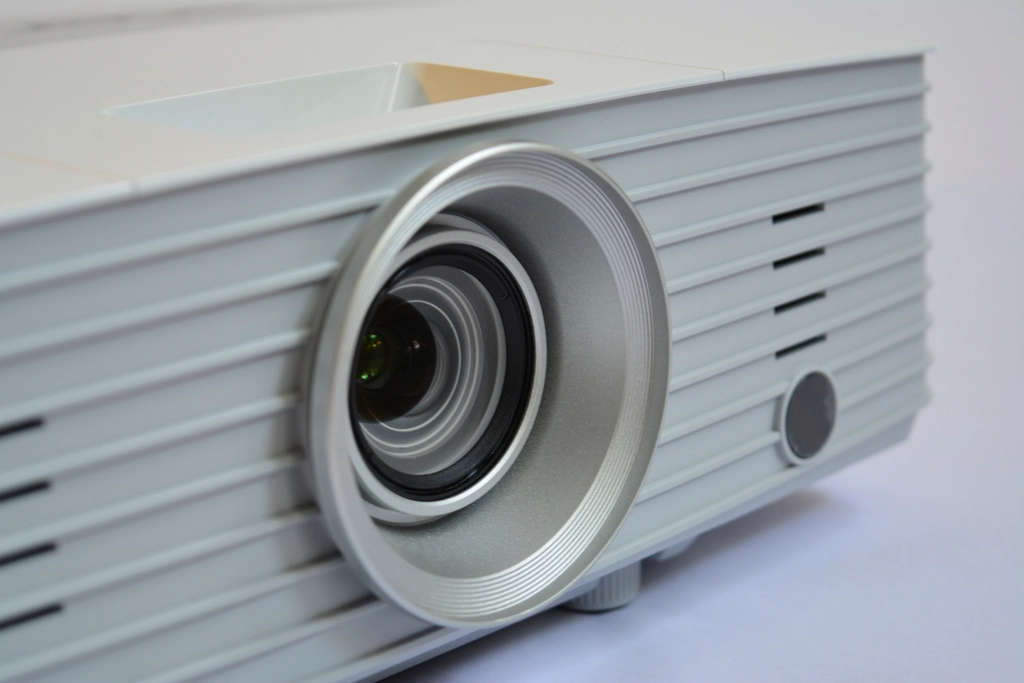
- A projector bright enough for the screen size
- A sound system (a powered speaker or small PA)
- Cables, a media player or laptop, extension cords and a ground tarp
For a sense of scale, the University of Missouri rents a campus outdoor package with a 30 x 17-foot screen, a 5,800-lumen projector and a PA with subwoofers. That package needs a clear, flat 50 x 50-foot area and several 20-amp circuits, and the surrounding outdoor lights have to be turned off. A backyard package can be much smaller, but the same questions apply: how much space, how much power and how dark the site gets.
Equipment and cost ranges
Screens span a wide range. BestReviews groups consumer inflatable screens into roughly under $200, $200–$250 and over $250, with the cheaper ones usually smaller than 16 feet. At the sturdier end, Open Air Cinema lists its 16 x 9-foot home screen kit at $1,999 (as of October 2026), with a muffled blower, eight tethers with steel stakes and a carry bag.
For a rental business, durability matters more than the sticker price. A screen that gets set up every weekend needs strong fabric, solid tie-down points and a repair kit. Budget separately for the projector and sound; match the projector’s brightness to the screen size, since a big screen is wasted if the projector can’t fill it.
Wind is the main safety issue
Inflatable screens are light with a large surface, so wind is the biggest risk. BestReviews notes that gusts can run about 10–15 mph above the average wind speed, and Open Air Cinema rates its 16-foot home screen for winds up to 20 mph. Practical rules:
- Stake down every tether point on every setup, and anchor the blower too, since a moving blower can deflate the screen.
- Check the forecast the day before and the morning of the event, and write a wind cutoff into your rental agreement.
- Keep a clear zone around the screen and keep kids from climbing on it or hanging on tethers.
- Run cords where people won’t trip, use outdoor-rated extension cords, and keep power connections dry.
- Lift the screen bag and speakers with help or a hand truck; wet screens are heavier.
The movie license question
This is the part many new rental owners skip. Owning a DVD or streaming account doesn’t include the right to show the movie publicly. A private backyard showing for family and friends is generally treated as a private performance. A community, school, church, HOA or business event open to the public generally needs a public performance license. Open Air Cinema points to Swank Motion Pictures and Criterion Pictures as the usual licensors, and a September 2026 guide on public performance licensing says a single screening of a recent release typically runs a few hundred dollars through those per-title licensors.
As the rental company, your job is to make sure customers know this. Put a line in your agreement stating that the renter is responsible for any required license, and point public-event customers to the licensors. This is general information, not legal advice; copyright questions about a specific event belong with the licensor or an attorney.
Pricing and add-ons
Look at what other party rental companies in your area charge for movie packages, and price around your full costs: equipment, wear and replacement, fuel, setup time and the late pickup, since movies end after dark. Many operators offer:
- Screen-only rental for customers who have their own projector
- A full package with delivery, setup and pickup
- An attendant option where you stay to run the equipment
- Add-ons such as popcorn machines, lawn games or extra speakers
Collect a deposit, set a cancellation and weather policy, and take photos of the screen and gear before and after each rental.
Insurance and local rules
Equipment you deliver and set up at someone else’s property creates liability exposure. Talk to an insurance agent about general liability and coverage for your equipment, and ask whether your policy covers inflatables. Home-occupation rules, business licenses and sales tax on rentals vary by state, county and city, so check locally before you advertise.
More on Garage Business Blueprint
- How to Start a Photo Booth Rental Business From Home
- How to Price Your Rental Equipment: Daily Rates, Break-Even and Extras
- Damage Deposits and Rental Agreements for a Small Equipment Rental Business
Sources
- University of Missouri Reservations: Outdoor Inflatable Movie Screen Package
- BestReviews: Best inflatable outdoor projector screens
- Open Air Cinema: Home 16’ Outdoor Movie Screen Kit
- Open Air Cinema: Film licensing for outdoor movie events
- Beancount.io: Showing movies at your bar, gym or waiting room: public performance license guide