Selling at a Farmers Market: Booth Fees, Insurance and Setup for Garage Makers
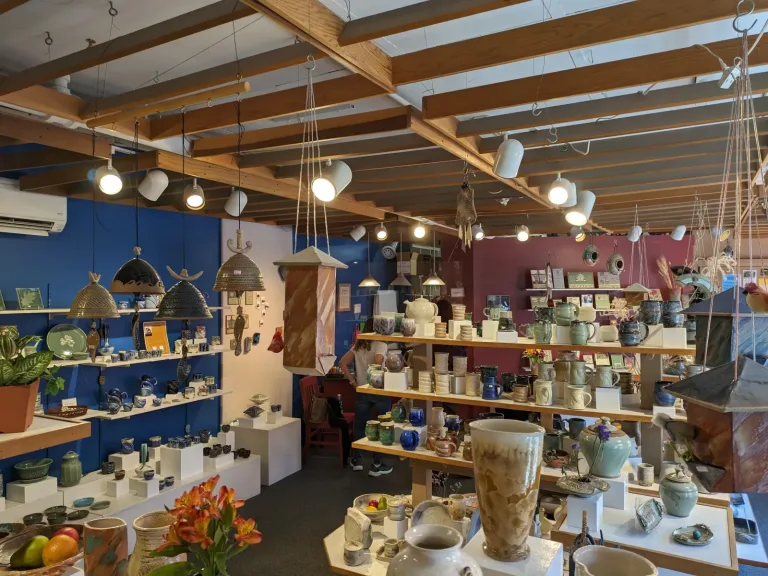
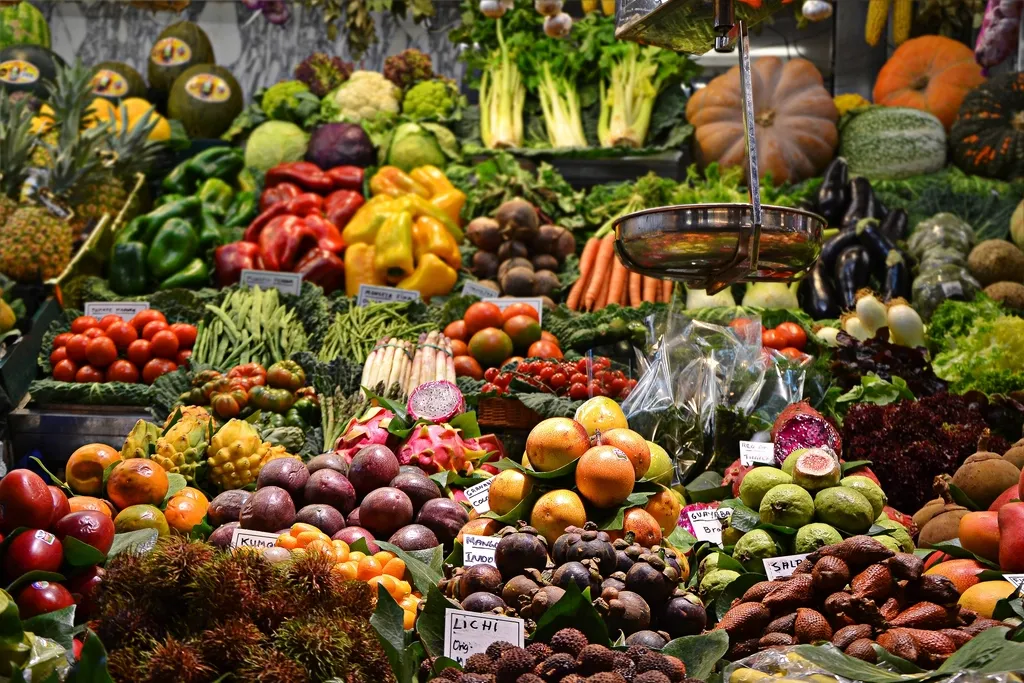
A farmers market can be a good place for a garage maker to meet customers in person, test products and build a local following. Many markets welcome crafts; others focus on food. Here is what to expect, with examples from a few real markets.
Find and apply early
Start with the USDA National Farmers Market Directory, shortlist a few nearby markets and visit one on a busy morning. Look at foot traffic, what is missing from the vendor mix and the vendor handbook’s fees. Popular markets fill early, and many review applications, so apply well before the season starts.
What it costs
Fees vary widely. As of October 2026, examples reported by one guide for a standard 10×10 booth included $25 per market in Eagle, Idaho, $50 to $60 per day in Metro Denver, and $40 per week plus a 5 to 10 percent commission in Puyallup, Washington. At the OHSU Farmers Market in Portland, craft and service vendors pay $25 per 10×10 stall. Always read the current fee sheet of your own market.
Insurance and setup
Many markets require general liability insurance, commonly $1 million, and some want the market named as an additional insured. Confirm exact wording with the market manager before you buy a policy.
- Bring a 10×10 canopy if required and weigh it down. Examples include 25 pounds per leg at one market and 40 pounds at another.
- Use tables and a tablecloth, and post clear prices on every item.
- Arrive early; some markets want vendors unloaded 30 minutes before opening.
- Take cards on your phone, and bring a power bank.
Taxes and rules
You may need a state sales tax registration and, for food items, cottage food or health permits. Requirements vary by state, county and city, so check with your market and local agencies.
More on Garage Business Blueprint
- Getting Your Garage Business Ready for Holiday Craft Fairs
- Taking Card Payments at Craft Fairs: Square, PayPal and Venmo Fees Compared
- Product Photos That Sell: A Simple Home Setup for Handmade Goods